
.jpeg)
Are there any special precautions when using filgotinib?
When using filgotinib (Filgotinib), patients need to pay special attention to some possible side effects and contraindications. Filgotinib is an oral JAK1 inhibitor, mainly used to treat immune-mediated diseases such as rheumatoid arthritis (RA) and Crohn's disease (CD). Although it has shown good results in treating these diseases, due to its immunosuppressive effect, patients need to pay special attention to some safety issues when using it.
The risk of infection is an important concern when using filgotinib. Filgotinib interferes with the immune response by inhibiting the JAK1 pathway, which may lead to suppression of the immune system, thereby increasing the patient's risk of serious infections (such as tuberculosis, hepatitis, fungal infections, etc.). Before starting treatment, patients should be screened for infections, including testing for tuberculosis and hepatitis B virus. In addition, infection symptoms should be regularly monitored during use and corresponding preventive measures should be taken, such as vaccination and timely treatment of potential infections.
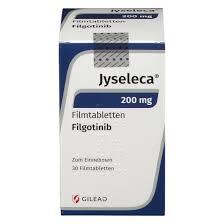
Hematologic monitoring is important in patients taking filgotinib. Figotinib may cause hematological abnormalities, such as anemia, leukopenia, thrombocytopenia, etc. Therefore, during treatment, patients need to have regular blood tests to monitor changes in blood indicators. Once a significant decrease in white blood cells or platelets is detected, medication dosage may need to be adjusted or treatment may need to be suspended. Especially for patients with a history of hematology, they should be used with caution under the guidance of a doctor.
When using filgotinib, patients should pay special attention to monitoring liver function. Filgotinib may cause increases in liver enzymes, particularly ALT (alanine aminotransferase) and AST (aspartate aminotransferase). Therefore, patients need to undergo regular liver function tests before and during treatment. If liver enzymes are significantly elevated or the patient develops symptoms of liver damage such as jaundice, the drug may need to be discontinued or the dosage adjusted. In addition, the use of filgotinib should be avoided in patients with hepatic impairment or used under strict supervision.
Fertility issues are also a concern when using filgotinib. Although the effects of filgotinib on pregnant women are not fully understood, based on its immunosuppressive mechanism, it is generally recommended to avoid pregnancy during use and female patients should take effective contraceptive measures before treatment. For patients planning pregnancy, they should consider whether to discontinue medication or adjust the treatment plan under the guidance of a doctor. Male patients who are considering having children while taking filgotinib should also discuss possible risks and optimal fertility strategies with their doctor.
Reference materials:https://go.drugbank.com/drugs/DB14845
[ 免责声明 ] 本页面内容来自公开渠道(如FDA官网、Drugs官网、原研药厂官网等),仅供持有医疗专业资质的人员用于医学药学研究参考,不构成任何治疗建议或药品推荐。所涉药品可能未在中国大陆获批上市,不适用于中国境内销售和使用。如需治疗,请咨询正规医疗机构。本站不提供药品销售或代购服务。


