
.jpeg)
What is the usage and dosage of bosutinib? What is the correct method and dosage of taking it?
Bosutinib (Bosutinib) is a second-generation tyrosine kinase inhibitor (TKI), mainly used to treat chronic myeloid leukemia (CMLCML span>), especially patients who are resistant or intolerant to first-generation TKIs such as imatinib (Imatinib). It blocks the growth and proliferation of leukemia cells by inhibiting BCR-ABL kinase activity. It is currently one of the important targeted drugs for the treatment of CML. To ensure efficacy and safety, it is important to master the correct usage and dosage of bosutinib.
1. Recommended dose of bosutinib
The dose of bosutinib will be determined based on the patient's disease stage, previous treatment experience, and individual tolerance. For patients with newly diagnosed chronic phase CML, the recommended starting dose is 400 mg orally administered once daily. For patients with chronic phase, accelerated phase or blast phase CML who have failed treatment with one or more TKIs, the recommended starting dose is 500 mg once daily.
It should be noted that during use, the doctor will adjust the dosage according to the patient's tolerance and efficacy. If the patient experiences adverse reactions (such as gastrointestinal symptoms, abnormal liver function, cytopenia, etc.), the drug may need to be temporarily discontinued or the dosage reduced. For example, if there is a gastrointestinal reaction of grade 3 or above or a significant increase in liver function indicators, the dose can be reduced to 300 mg per day or the drug can be temporarily discontinued. After the symptoms improve, re-evaluate whether to resume the original dose or maintain the reduced dose treatment.
2. Correct way to take medicine
Bosutinib should be taken with food, which can significantly reduce gastrointestinal irritation and improve drug tolerability. It is recommended that patients take one full tablet by mouth at a fixed time each day (such as with breakfast or dinner) and do not break, crush or chew it. If you miss a dose, you should take it as soon as possible on the same day; if it is close to the next dose time, you should skip the missed dose and do not take a double dose.
In addition, bosutinib has some potential for drug interactions. It is mainly metabolized by the CYP3A4 enzyme in the liver, so patients should avoid co-administration with strong CYP3A4 inhibitors (such as clarithromycin, ketoconazole) or inducers (such as rifampicin, carbamazepine). These drugs may cause the blood concentration of bosutinib to increase or decrease, thereby affecting the efficacy or increasing the risk of toxicity.
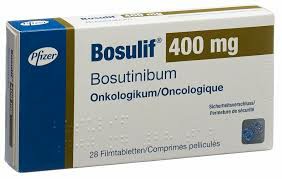
3. Special groups and dose adjustment
In patients with impaired hepatic function, the metabolism of bosutinib may be affected and should be used with caution. In patients with moderate to severe hepatic impairment, the recommended initial dose should be reduced to 200 mg once daily and changes in hepatic function should be closely monitored. Likewise, for older patients or those who are underweight, doctors will evaluate whether it is necessary to start at a lower dose on an individual basis.
Bosutinib may cause adverse reactions such as abnormal liver function, diarrhea, nausea, rash, cytopenia, and hypertension. During treatment, patients should regularly undergo routine blood tests, liver and kidney function, electrolytes, and electrocardiograms to detect and deal with adverse reactions in a timely manner. Especially in the first few weeks of treatment, special attention should be paid to changes in liver function and hematological parameters.
4. Precautions during medication
Patients should avoid drinking grapefruit juice while taking bosutinib because components in grapefruit inhibit the CYP3A4 enzyme, resulting in elevated drug concentrations and increased risk of side effects. In addition, patients should avoid taking drugs that inhibit gastric acid secretion such as antacids, proton pump inhibitors, or H2 receptor antagonists at the same time, because these drugs may reduce the absorption efficiency of bosutinib. If you really need to use it, you should try to stagger the medication time.
During the period of treatment with bosutinib, patients should follow the doctor's instructions, take the medicine strictly on time and in the right amount, and are not allowed to increase or decrease the dose or interrupt treatment without authorization. If you experience persistent discomfort or obvious side effects, you should contact your doctor immediately. If it is found that the blood count continues to decline, liver enzymes increase significantly, or severe gastrointestinal symptoms occur during treatment, the dose should be adjusted or the treatment plan should be changed.
In short, bosutinib is an effective targeted drug for the treatment of CML. The dosage and method of its use must strictly follow the doctor's recommendations and instructions. Patients should maintain good medication compliance, regularly monitor physical indicators, and respond appropriately to adverse reactions, in order to achieve long-term disease control and improvement in quality of life.
Reference materials:https://go.drugbank.com/drugs/DB06616
[ 免责声明 ] 本页面内容来自公开渠道(如FDA官网、Drugs官网、原研药厂官网等),仅供持有医疗专业资质的人员用于医学药学研究参考,不构成任何治疗建议或药品推荐。所涉药品可能未在中国大陆获批上市,不适用于中国境内销售和使用。如需治疗,请咨询正规医疗机构。本站不提供药品销售或代购服务。


