
.jpeg)
Which patients is Lorlatinib mainly suitable for? Scope of application of targeted therapy and genetic testing requirements
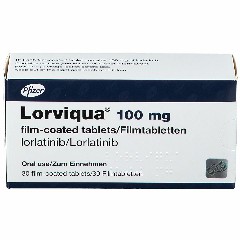
Lorlatinib (lorlatinib) is a third-generation ALK and ROS1 tyrosine kinase inhibitor primarily used to treat non-small cell lung cancer (NSCLC), especially those with ALK or ROS1 gene rearrangements. Compared with the first and second generation ALK inhibitors, lorlatinib (lorlatinib) performs better in penetrating the blood-brain barrier, so it is more effective in patients with brain metastases. It is one of the indispensable targeted drugs in advanced ALK positive lung cancer.
The main indication for lorlatinib is in patients with ALK-positive metastatic non-small cell lung cancer, especially those whose disease has progressed after treatment with previous ALK inhibitors such as crizotinib, alectinib, and ceritinib. In addition, lorlatinib (lorlatinib) is also approved for treatment-naïve ALK positive patients as a first-line treatment. For ROS1positive NSCLC patients, it is also listed as one of the optional targeted therapies in some countries or regions, but the ROS1 fusion positivity must be confirmed before use.
Genetic testing is a key prerequisite to determine whether a person is suitable for treatment with lorlatinib. Patients need to undergo tumor tissue or liquid biopsy to detect ALK or ROS1 gene rearrangement through high-throughput sequencing (NGS), FISH or PCR. If the test result is positive and the relevant clinical conditions are met, the use of lorlatinib (lorlatinib) can be considered. For patients with negative initial test results, it is also recommended to conduct retesting at the molecular level after disease progression or treatment resistance, so as to avoid missing diagnosis or missing the best treatment opportunity.
In general, lorlatinib is mainly suitable for patients with advanced non-small cell lung cancer who are positive for ALK or ROS1 fusion, especially those with brain metastases or those with previous generations of ALKInhibitor-resistant individuals. Its use must be based on accurate genetic testing to ensure clear targets in order to achieve precise treatment effects. In clinical practice, professional doctors should make a comprehensive assessment based on molecular test results, previous treatment history and overall health status to formulate the most appropriate individualized treatment plan.
Reference link:https://www.lorbrena.com/
[ 免责声明 ] 本页面内容来自公开渠道(如FDA官网、Drugs官网、原研药厂官网等),仅供持有医疗专业资质的人员用于医学药学研究参考,不构成任何治疗建议或药品推荐。所涉药品可能未在中国大陆获批上市,不适用于中国境内销售和使用。如需治疗,请咨询正规医疗机构。本站不提供药品销售或代购服务。


