
.jpeg)
Analysis of the difference in efficacy between linezolid and vancomycin
Linezolid (Linezolid) and vancomycin (Vancomycin) are the two core drugs used in clinical treatment of drug-resistant Gram-positive bacterial infections today, and are widely used in the treatment of methicillin-resistant Staphylococcus aureus (MRSA) and drug-resistant enterococci (VRE) infections. Although both drugs are anti-Gram-positive bacteria, there are significant differences in pharmacological mechanisms, pharmacokinetic characteristics, clinical indications and adverse reaction spectrum. The selection requires individualized judgment based on the type of infection, the patient's basic condition and the target treatment site.
First of all, from the perspective of its mechanism of action, linezolid is an oxazolidinone antibiotic that targets the 50S subunit of bacterial ribosomes and can block the initial stage of protein synthesis. In contrast, vancomycin is a glycopeptide antibiotic that mainly exerts its bactericidal effect by inhibiting bacterial cell wall synthesis. Since linezolid targets ribosomes and is insensitive to resistance mechanisms caused by changes in cell wall structure, it has obvious advantages in dealing with certain vancomycin-resistant strains (such as VRE).
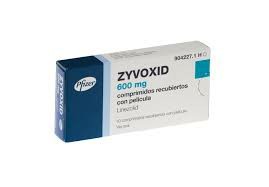
In terms of clinical indications, both can be used to treat serious infections such as pneumonia, skin and soft tissue infections, and sepsis caused by MRSA. However, linezolid is often recommended first in the treatment of hospital-acquired pneumonia (HAP), mainly because its lung tissue penetration capacity is significantly higher than that of vancomycin. Studies have shown that the concentration of linezolid in alveolar fluid is significantly higher than the concentration in blood, and it can more effectively reach the focus of lung infection. However, due to its small distribution volume and poor lung permeability, the efficacy of vancomycin in severe pneumonia is relatively limited. In addition, linezolid is also recommended by WHO for combination treatment of drug-resistant tuberculosis, while vancomycin is basically ineffective in the anti-tuberculosis spectrum.
In terms of pharmacokinetics, linezolid has an oral bioavailability close to100%, which is suitable for a smooth transition from intravenous administration to oral treatment, which can shorten hospitalization time and control treatment costs. Vancomycin, on the other hand, relies entirely on intravenous administration, and blood concentration needs to be strictly monitored and the dose adjusted to avoid nephrotoxicity. In fact, the nephrotoxicity and ototoxicity of vancomycin are one of its most worrying adverse reactions, especially when used at high doses or when other nephrotoxic drugs are combined. In contrast, although long-term use of linezolid can cause bone marrow suppression (especially thrombocytopenia), lactic acidosis, and optic neuropathy, these risks are mostly related to treatment courses lasting more than 2 weeks, and timely intervention can be performed by monitoring blood images and lactate levels.
In terms of efficacy comparison, a number of randomized controlled clinical trials (such asZEPHyR study) has shown that linezolid shows a higher clinical cure rate and microbial clearance rate in the treatment of pneumonia caused by MRSA, especially in the lungs. The drug distribution advantage is obvious. However, for infections that require stronger bactericidal activity, such as bloodstream infections and osteomyelitis, vancomycin still has an irreplaceable status because it is a typical concentration-dependent bactericidal drug and has stronger bacterial clearance ability at appropriate concentrations. Another important difference is the price. The price of linezolid (especially the injection form) is significantly higher than that of vancomycin. In some areas, medical insurance does not fully cover it. In situations where economic conditions are tight or long-term treatment is required, vancomycin is more accessible.
Reference materials:https://go.drugbank.com/drugs/DB00601
[ 免责声明 ] 本页面内容来自公开渠道(如FDA官网、Drugs官网、原研药厂官网等),仅供持有医疗专业资质的人员用于医学药学研究参考,不构成任何治疗建议或药品推荐。所涉药品可能未在中国大陆获批上市,不适用于中国境内销售和使用。如需治疗,请咨询正规医疗机构。本站不提供药品销售或代购服务。


