
.jpeg)
Which biological targets does Erlotinib specifically target?
Erlotinib (Erlotinib) is a classic small molecule targeted anti-cancer drug. It mainly targets the epidermal growth factor receptor (EGFR) and belongs to the class of tyrosine kinase inhibitors (EGFR-TKI). In tumor biology, EGFR is a transmembrane receptor widely expressed on the surface of various epithelial tumor cells. When its extracellular region binds to a ligand, the intracellular tyrosine kinase domain is activated, further activating a variety of cell signaling pathways, such as the RAS-RAF-MAPK and PI3K-AKT pathways, to regulate cell proliferation, differentiation, migration and anti-apoptotic ability. In some cancers, EGFR gene mutations or overexpression can lead to continued activation of signaling pathways and promote the rapid growth and spread of tumors.
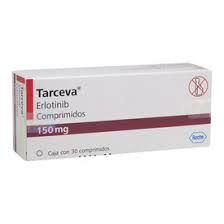
Erlotinib competitively binds to the tyrosine kinase domain of mutatedEGFR and inhibits its phosphorylation process, thereby blocking the signal transduction pathway and inhibiting the growth of tumor cells. At present, erlotinib has been approved by the FDA and the State Food and Drug Administration of China for the treatment of various cancers, especially in patients with non-small cell lung cancer (NSCLC) carrying EGFR sensitive mutations. Its efficacy is particularly significant. The two most common types of sensitive mutations are exon 19 deletions and the L858R point mutation in exon 21, which together account for more than 90% of EGFR mutations. For these patients, erlotinib, as first-line monotherapy, has become the standard treatment recommended by international guidelines and can effectively prolong progression-free survival and improve quality of life.
In addition to lung cancer, erlotinib is also approved for the treatment of locally advanced, unresectable, or metastatic pancreatic cancer. When used in combination with gemcitabine, erlotinib can slightly extend overall survival in some patients, and although the clinical benefit is limited, it provides a combination idea for the treatment of advanced pancreatic cancer. In such patients, although EGFR itself may not necessarily have significant mutations, its overexpression or abnormal downstream signaling may still have an impact on treatment.
It should be noted that erlotinib has a weak inhibitory effect on atypicalEGFR mutations (such as T790M, G719X, S768I, etc.), and has poor efficacy in patients with EGFR wild-type. In addition, combined use with platinum-based chemotherapy not only does not show better efficacy, but may also increase toxicity. Therefore, international guidelines do not recommend the combination of erlotinib and platinum-based drugs for the treatment of NSCLC.
Reference materials:https://en.wikipedia.org/wiki/Erlotinib
[ 免责声明 ] 本页面内容来自公开渠道(如FDA官网、Drugs官网、原研药厂官网等),仅供持有医疗专业资质的人员用于医学药学研究参考,不构成任何治疗建议或药品推荐。所涉药品可能未在中国大陆获批上市,不适用于中国境内销售和使用。如需治疗,请咨询正规医疗机构。本站不提供药品销售或代购服务。


