
.jpeg)
Is durvalumab a targeted drug or an immunotherapy drug?
Durvalumab/Durvalumab (durvalumab) is an immunotherapy drug rather than a targeted drug in the traditional sense. It is a programmed death ligand-1 (PD-L1) inhibitor and a member of immune checkpoint inhibitors. Its main mechanism of action is to block the binding between PD-L1 expressed on the surface of tumor cells and the PD-1 receptor on the surface of T cells, thereby lifting the "brake" of tumors on the immune system, thereby enhancing the anti-tumor activity of T cells. This mechanism of action is different from targeted drugs, which usually directly interfere with specific mutations or signaling pathways within tumor cells, such as molecular targets such as EGFR, ALK or VEGF, and rely on specific genetic abnormalities carried by the tumor itself.
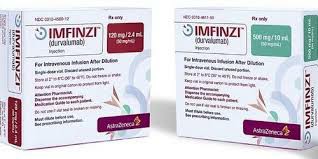
The immunotherapy mechanism of durvalumab has the characteristics of systemic and long-term immune memory, making it an important means in the treatment of various advanced solid tumors, especially lung cancer, liver cancer, biliary tract cancer and other tumors. As a humanized IgG1 monoclonal antibody, it can selectively bind to PD-L1 without affecting the physiological binding between PD-L2 and PD-1, and is expected to reduce the incidence of immune-related adverse reactions. Based on clinical trial data, durvalumab has been used as consolidation treatment after concurrent chemoradiotherapy in unresectable stage III non-small cell lung cancer (NSCLC). It has significantly prolonged progression-free survival (PFS) and overall survival (OS), and has been recommended as standard treatment by multinational guidelines.
In clinical practice, immunotherapy drugs such as durvalumab are more dependent on the patient's immune status, PD-L1 expression level, the immunogenicity of the tumor microenvironment and other factors to determine the efficacy, rather than whether the tumor has a "target". Therefore, when choosing a treatment plan, doctors usually make individualized decisions based on factors such as histology, molecular pathology testing, and the speed of disease progression.
Reference materials:https://www.imfinzi.com/
[ 免责声明 ] 本页面内容来自公开渠道(如FDA官网、Drugs官网、原研药厂官网等),仅供持有医疗专业资质的人员用于医学药学研究参考,不构成任何治疗建议或药品推荐。所涉药品可能未在中国大陆获批上市,不适用于中国境内销售和使用。如需治疗,请咨询正规医疗机构。本站不提供药品销售或代购服务。


