
.jpeg)
Rebociclib efficacy maintained with dose reduction in HR+/HER2-negative early breast cancer
According to the study results, a post hoc exploratory analysis using updated data from the NATALEE phase 3 trial (NCT03701334) showed that the clinical benefits of treatment with ribociclib persisted despite dose reductions in patients with hormone receptor (HR)-positive, HER2-negative early-stage breast cancer.
The analysis showed that during a median follow-up of 44.2 months of invasive disease-free survival (iDFS) in the entire population and in the rebociclib plus nonsteroidal aromatase inhibitor (NSAI) group, rebociclib dose reductions - primarily due to adverse effects (AEs) - occurred early in treatment and did not compromise the benefits of iDFS. Notably, analysis of iDFS by relative dose intensity (RDI) showed that results across dose levels were consistent even after adjusting for patients who stopped taking reboxil before 36 months of treatment.
Additionally, a landmark dose reduction analysis showed no significant difference in iDFS outcomes between patients who did or did not receive a dose reduction. These findings suggest that reducing the dose of rebociclib from 400 mg per day to 200 mg per day may help maintain treatment compliance without affecting efficacy in patients with early-stage hormone receptor-positive, HER2-negative breast cancer.
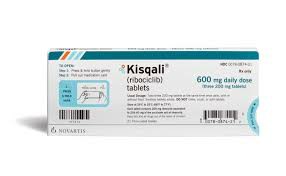
The NATALEE trial was a randomized, open-label study evaluating the efficacy and safety of reboxiclib plus a nonsteroidal antagonist compared with NSAIDs alone in patients with stage II/III hormone receptor-positive, HER2-negative early-stage breast cancer who are at risk for recurrence. Patients were randomly assigned in a 1:1 ratio to receive 400 mg of reboxiclib daily for 3 weeks on, 1 week off, for 3 years, plus an NSAID for at least 5 years, or NSAIDs alone. Men and premenopausal women also receive rebociclib. Of note, for management of adverse events, dose reduction of reboxiclib from 400 mg per day to 200 mg per day is permitted; however, dose readjustment to 400 mg per day is not permitted.
The primary endpoint of the trial wasiDFS, using standard definitions of efficacy endpoint criteria. Secondary endpoints include recurrence-free survival, distant disease-free survival, overall survival, safety, patient-reported outcomes, and pharmacokinetics.
The Kaplan-Meier plot shows that low (iDFS event rates were similar among the <82.27%; n=833; 81 events), medium (82.27% to <97.44%; n=840; 89 events), and high (≥97.44%; n=853; 92 events) RDI groups. The HR between the low and high groups was 0.931 (95% CI, 0.69-1.25; P = 0.32), and the HR between the middle and high groups was 0.985 (95% CI, 0.74-1.32; P = 0.46).
When using the adjustedRDI to account for patients who discontinued ribocytidine before 36 months of treatment, the incidence of iDFS events remained stable across all RDI groups, with low (<50.73%; n=831) and high The HR between the (≥96.4%; n=834) group was 0.83 (95% CI, 0.85-1.48; P=0.79), and between the medium (50.73%-96.47%; n=861) and high groups was 1.12 (95% CI). There were 60, 106 and 96 iDFS events in the low, medium and high RDI groups respectively.
Time-dependentRDI2 analysis showed that patients had similar incidence of iDFS regardless of RDI2. The heart rates of the low RDI group, high RDI group and medium RDI group were 1.07 (95% CI, 0.78-1.48) and 1.32 (95% CI, 0.99-1.74) respectively.
Reference materials:https://www.onclive.com/view/ribociclib-efficacy-is-maintained-with-dose-reductions-in-hormone-receptor-her2-negative-early-breast-cancer
[ 免责声明 ] 本页面内容来自公开渠道(如FDA官网、Drugs官网、原研药厂官网等),仅供持有医疗专业资质的人员用于医学药学研究参考,不构成任何治疗建议或药品推荐。所涉药品可能未在中国大陆获批上市,不适用于中国境内销售和使用。如需治疗,请咨询正规医疗机构。本站不提供药品销售或代购服务。


