
.jpeg)
Ramucirumab combined with erlotinib in the treatment of non-small cell lung cancer: prolonging survival
In the field of non-small cell lung cancer ( NSCLC), the continuous progress of targeted therapy and immunotherapy provides patients with new hope for survival. Recently, the results of the international multi-center, randomized, placebo-controlled, double-blind phase III RELAY trial have attracted much attention. This study specifically focuses on the efficacy of Ramucirumab (Cyramza®, developed by Eli Lilly and Company) in combination with Erlotinib in patients with metastatic non-small cell lung cancer. The core of this treatment regimen is its effectiveness in patients with epidermal growth factor receptor (EGFR) mutations.
In the RELAY trial, a total of 449 patients with metastatic NSCLC who had activating EGFR mutations were randomly divided into two groups: one group received ramucirumab plus erlotinib, and the other group received placebo plus erlotinib. The experimental design fully considered the baseline characteristics of the patients to ensure that differences between groups were minimized, making the research results more reliable and clinically meaningful.
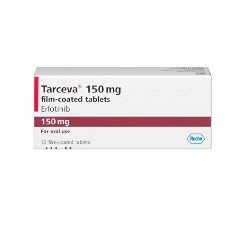
According to the latest evaluation results of theRELAY study, the ITT (intention-to-treat) population treated with the combination of ramucirumab and erlotinib showed that overall survival (OS) was significantly prolonged. Specifically, the median overall survival for the combination was 51.1 months, compared with 46.0 months for patients who received placebo plus erlotinib, with an HR (hazard ratio) of 0.98 and a 95% confidence interval (CI) of 0.78-1.24. This result shows that although the survival extension in the overall population is limited, it still has certain clinical application value.
Further analysis showed that in the subgroup of patients with the L858R mutation in exon21, the effect of ramucirumab combined with erlotinib was more significant. The median survival time of patients in this subgroup reached 51.6 months, which was extended by nearly 6 months compared with 45.8 months in the placebo group. The HR was 0.87 and the 95% CI was 0.62-1.22. This finding suggests that ramucirumab may have better efficacy in patients with certain specific EGFR mutation types, providing clinicians with important information when formulating personalized treatment plans.
It is worth noting that The RELAY trial did not perform statistical significance on overall survival (OS), which means that we need to interpret this result with caution. Nonetheless, the trial's design and its novelty in exploring combination therapy in patients with metastatic NSCLC lay the foundation for future research.
Ramuscumab is an anti-angiogenic drug that reduces tumor blood supply by inhibiting the vascular endothelial growth factor (VEGF) pathway, thereby inhibiting tumor growth and metastasis. Erlotinib is an EGFR tyrosine kinase inhibitor mainly used to treat EGFR mutation-positive non-small cell lung cancer. The theoretical basis for the combination of the two is that ramucirumab can enhance the anti-tumor effect of erlotinib by improving the tumor microenvironment.
In summary,The RELAY trial provides important data on the potential of ramucirumab combined with erlotinib in the treatment of metastatic non-small cell lung cancer, especially showing ideal survival prolongation in patients with specific EGFR mutation types. With the advancement of further research, this combination therapy is expected to bring new hope for survival to more patients with metastatic NSCLC, and also provide a new direction for the diversified development of tumor treatment in the future.
References:https://www.aerzteblatt.de/archiv/ramucirumab-plus-erlotinib-beim-nsclc-verlaengertes-ueberleben-e60b32f1-0d74-4f63-ba76-752b6568992e
[ 免责声明 ] 本页面内容来自公开渠道(如FDA官网、Drugs官网、原研药厂官网等),仅供持有医疗专业资质的人员用于医学药学研究参考,不构成任何治疗建议或药品推荐。所涉药品可能未在中国大陆获批上市,不适用于中国境内销售和使用。如需治疗,请咨询正规医疗机构。本站不提供药品销售或代购服务。


