
.jpeg)
Do the side effects of lorlatinib (lorlatinib) get better over time? How patients can improve tolerance
Lorlatinib (Lolatinib) is a targeted therapy drug mainly used to treat ALK-positive non-small cell lung cancer (NSCLC). Althoughlorlatinib has achieved remarkable results in the treatment ofALKpositive lung cancer, as with all drugs, patients may experience certain side effects during use. Many patients are concerned about whether these side effects will lessen over time and how to improve tolerability.
1. Common side effects of lorlatinib (lorlatinib) and their relief
Side effects of lorlatinib often include fatigue, nausea, loss of appetite, diarrhea, weight loss, mood swings, and more. Some patients may also experience brain-related side effects, such as dizziness, depressive symptoms, and difficulty concentrating. In addition, lorlatinib (lorlatinib) may also cause serious side effects such as abnormal liver function and heart-related problems. Regarding the relief of these side effects, many patients will find that some side effects do decrease as the treatment time is extended, especially mild gastrointestinal discomfort and fatigue.
The reduction in side effects may be related to the body's process of adapting to drug treatment. In the early stage, after the drug enters the body, the body's immune system and metabolic process may produce certain reactions, resulting in varying degrees of discomfort. However, many patients experience relief from side effects as the body gradually adjusts to the presence of the drug. For example, symptoms such as loss of appetite and nausea may be noticeable during the first month of treatment, but may gradually lessen over time.
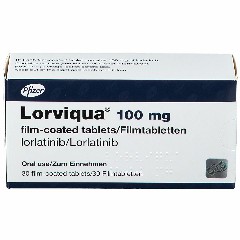
2. How to improve tolerance
To improve their tolerance to lorlatinib (lorlatinib), there are specific steps patients can take to help reduce side effects and improve the effectiveness of treatment. Here are a few common ways to improve tolerance:
Communicate regularly with your doctor: Patients should communicate regularly with their doctor to inform them of any side effects that occur during treatment. If side effects affect quality of life or severe symptoms occur, doctors can adjust the drug dosage or switch to other treatment options based on the patient's condition. With timely feedback, doctors can help patients better manage side effects.
Gradually adjust to drug dosage: Some patients may experience side effects when initially taking higher doses. Your doctor may choose to start with a lower dose and gradually increase it to allow your body to adjust to the medication. This gradual approach to treatment helps reduce the occurrence of side effects and improves tolerability.
Improve eating habits: Patients with gastrointestinal side effects caused by lorlatinib (lorlatinib), such as nausea and loss of appetite, can be relieved by adjusting their diet. For example, dividing meals, eating small amounts more often, avoiding greasy foods, and drinking mild drinks such as ginger tea can all help reduce discomfort. At the same time, maintaining good hydration can also help avoid dehydration caused by symptoms such as diarrhea.
Get psychological support and stress reduction: Psychological side effects such as mood swings, depression, and anxiety are common problems with lorlatinib treatment. In order to cope with these emotional changes, patients can adopt relaxation training, meditation, yoga and other stress reduction methods, or even seek professional psychological consultation. A good psychological state not only helps improve the patient's tolerance of treatment, but also improves the overall quality of life.
3. Monitoring and management of side effects
While taking lorlatinib (lorlatinib), patients should undergo regular physical examinations, especially monitoring of liver and heart function. These examinations can help to detect serious side effects that may be caused by the drug in time and take appropriate measures. Especially in the early stages of treatment, patients should pay more attention to changes in side effects and adjust the treatment plan according to the doctor's recommendations.
For those patients who may be experiencing heart problems, doctors may order regular electrocardiograms to ensure heart health. People with abnormal liver function will need regular blood tests to monitor liver enzyme levels. If an abnormality occurs, the doctor can decide whether the drug needs to be suspended or the dosage adjusted. Through this regular monitoring, patients can intervene promptly when side effects occur, thereby improving tolerance and reducing unnecessary risks.
4. Management of side effects during long-term use
Lorlatinib (lorlatinib) side effects may be noticeable in the short term, but many patients find that their severity decreases with long-term use. This may be related to the body gradually adapting to the drug, but it is also related to the active coping strategies adopted by patients during treatment. Management of side effects during long-term use is equally important, especially for those patients requiring long-term maintenance therapy. In addition to routine monitoring, patients should continue to pay attention to their physical changes and communicate with their doctors regularly to ensure the effectiveness and safety of treatment.
In summary, the side effects of lorlatinib may gradually lessen over time, especially as the patient's body adapts to the drug. In order to improve tolerance, patients can take measures such as gradually increasing the dose, improving eating habits, and providing psychological support. At the same time, regular physical examination and side effect management are keys to ensuring smooth progress of drug treatment. Through these comprehensive measures, patients can better cope with possible side effects during lorlatinib (lorlatinib) treatment and enjoy a higher quality of life.
Reference link:https://www.lorbrena.com/
[ 免责声明 ] 本页面内容来自公开渠道(如FDA官网、Drugs官网、原研药厂官网等),仅供持有医疗专业资质的人员用于医学药学研究参考,不构成任何治疗建议或药品推荐。所涉药品可能未在中国大陆获批上市,不适用于中国境内销售和使用。如需治疗,请咨询正规医疗机构。本站不提供药品销售或代购服务。


