
.jpeg)
How long can taking lorlatinib prolong survival? Advantages compared to other ALK inhibitors
Lorlatinib (Lolatinib) is an oral third-generation ALK inhibitor, mainly used to treat ALKPatients with positive non-small cell lung cancer (NSCLC), especially those who are resistant to the first two generations of ALK inhibitors (such as crizotinib and alectinib). Clinical studies have shown that lorlatinib can effectively inhibit the growth of tumors caused by ALK mutations and has shown significant therapeutic effects in multiple trials. While survival may vary for each patient, the use of lorlatinib (lorlatinib) often significantly prolongs survival, particularly in patients with drug-resistant ALK-positive lung cancer.
The efficacy and survival prolongation effect of lorlatinib (lorlatinib) have been clinically proven. Based on data from multiple clinical trials, lorlatinib has an objective response rate (ORRORRALK in patients with ALKpositive lung cancer. span>) exceeded 50%, and its progression-free survival (PFS) was ideal. For drug-resistant patients, lorlatinib (lorlatinib) is particularly effective as a second- or third-line treatment. It can help patients control their disease and delay tumor progression. In long-term follow-up, the use of lorlatinib was significantly associated with prolonged survival, especially for those patients who had previously developed resistance to crizotinib and alectinib, making lorlatinib a powerful therapeutic weapon.
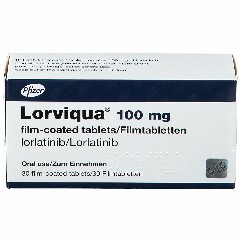
Lorlatinib (lorlatinib) has some unique advantages over otherALK inhibitors. First of all, lorlatinib (lorlatinib) can effectively penetrate the blood-brain barrier, and its therapeutic effect on brain metastases is particularly outstanding. ALKPatients with positive non-small cell lung cancer often develop brain metastases, and lorlatinib (lorlatinib) shows strong advantages in this aspect. Studies have shown that lorlatinib can significantly reduce the occurrence of brain metastases and improve the survival of patients with brain metastases, so it has obvious advantages in the treatment of brain metastases. Compared with the first two generations of ALK inhibitors, lorlatinib has a stronger ability to control brain metastases, making it more valuable in the treatment of patients with ALC-positive non-small cell lung cancer and brain metastases.
In addition, lorlatinib (lorlatinib) as a third-generationALKInhibitors have stronger resistance to drug resistance. Although the first two generations of ALK inhibitors, such as crizotinib and alectinib, are effective in initial treatment, patients often develop drug resistance over time. This is because tumor cells develop new mutations through different mechanisms, causing these drugs to lose their efficacy. Lorlatinib (Lorlatinib) was specifically designed with the inhibitory effect against these resistance mutations in mind. Therefore, it can effectively deal with more complex ALK mutations, especially for patients who are resistant to the first two generations of drugs. Lorlatinib (Lorlatinib) provides a new treatment option and prolongs the survival of patients.
Reference link:https://www.lorbrena.com/
[ 免责声明 ] 本页面内容来自公开渠道(如FDA官网、Drugs官网、原研药厂官网等),仅供持有医疗专业资质的人员用于医学药学研究参考,不构成任何治疗建议或药品推荐。所涉药品可能未在中国大陆获批上市,不适用于中国境内销售和使用。如需治疗,请咨询正规医疗机构。本站不提供药品销售或代购服务。


