
.jpeg)
Can giritinib cure the disease? Analysis of efficacy and cure rate
Gilteritinib as a tyrosine kinase inhibitor targetingFLT3 mutations, is mainly used to treat relapsed or refractory acute myeloid leukemia (AML), especially in patients with FLT3-ITD or FLT3-TKD mutations, showing significant efficacy. Its core mechanism is to interfere with the proliferation and survival of leukemia cells by blocking the FLT3 signaling pathway, thereby achieving the purpose of controlling disease progression. Although the effect of geritinib in prolonging progression-free survival (PFS) and overall survival (OS) of patients has been recognized by international clinical studies, it cannot currently be regarded as a single therapy to "cure" AML.
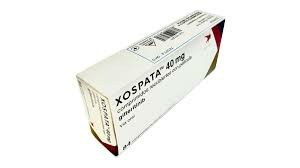
According to ADMIRAL clinical trial data, among FLT3-mutated AML patients treated with giritinib, the overall response rate (ORR) reached 54%, including a complete response (CR) rate of 21%, which was significantly lower than the CR rate in the traditional chemotherapy group. More importantly, the median overall survival time in the gilitinib group was 9.3 months, which was significantly longer than the 5.6 months in the chemotherapy group. Although these data indicate that giritinib is an effective treatment, its efficacy is still mostly used for "disease control" rather than "radical cure", and it is more used as a bridge to hematopoietic stem cell transplantation (HSCT) or long-term remission maintenance treatment.
CureAML usually still relies on allogeneic hematopoietic stem cell transplantation. Giritinib is more about buying time and remission window for patients, especially playing a key role in the treatment after the failure of multiple lines of therapy. In clinical practice, some patients treated with giritinib successfully underwent transplantation after achieving complete remission and achieved long-term survival or even "functional cure", but this is not a direct "cure" effect of giritinib itself. Therefore, giritinib has significant efficacy and is especially suitable for relapsed and refractory patients. However, whether it can be finally cured still needs to be evaluated based on various factors such as individual condition, transplant conditions, and response to the drug.
Reference materials:https://www.xospata.com/
[ 免责声明 ] 本页面内容来自公开渠道(如FDA官网、Drugs官网、原研药厂官网等),仅供持有医疗专业资质的人员用于医学药学研究参考,不构成任何治疗建议或药品推荐。所涉药品可能未在中国大陆获批上市,不适用于中国境内销售和使用。如需治疗,请咨询正规医疗机构。本站不提供药品销售或代购服务。


