
.jpeg)
Analysis of indications for venetoclax/venetoclax: which patients are suitable for use
Venetoclax is a highly selective oral BCL-2 inhibitor that has received widespread attention in the field of tumor treatment due to its precise targeting mechanism. BCL-2 is a type of anti-apoptotic protein that regulates cell apoptosis. The expression of BCL-2 is significantly increased in many patients with hematological malignancies, allowing tumor cells to escape programmed death, thus promoting their survival and expansion. Venaclat inhibits BCL-2 protein and restarts the apoptosis pathway, making cancer cells more sensitive to treatment and ultimately achieving its purpose of elimination.
At present, Venetoclax is mainly suitable for the following types of patients. First, venetoclax has shown good efficacy in patients with chronic lymphocytic leukemia (CLL) or small lymphocytic lymphoma (SLL), especially those with 17p deletions or TP53 mutations who are resistant to or relapsed from frontline therapy. Such patients often have poor prognosis and poor response to traditional treatments. The targeted treatment mechanism of venetoclax can effectively break through this treatment bottleneck and significantly extend progression-free survival and overall survival.
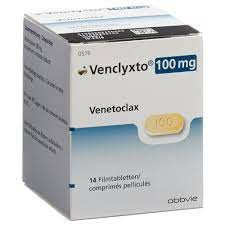
In addition, in the field of acute myeloid leukemia (AML), venetoclax has also demonstrated important clinical value. For newly diagnosed AML patients who are ≥75 years old or who are not suitable for intensive chemotherapy due to comorbidities, venetoclax can be used in combination with azacitidine, decitabine or low-dose cytarabine (LDAC). This combination regimen is based on the verification of multiple international multi-center clinical trials (such as VIALE-A and VIALE-C). It not only improves the complete remission rate, but also significantly improves the overall survival of patients. At the same time, the toxicity is relatively controllable, giving elderly and weak AML patients unprecedented treatment opportunities.
It is worth mentioning that as a targeted drug, the mechanism of action of venetoclax is different from that of chemotherapy drugs. Therefore, during use, attention should be paid to gradually increasing the dose to reduce the risk of tumor lysis syndrome (TLS), especially in patients with high white blood cell load. In addition, because it is metabolized by the hepatic CYP3A enzyme, drug interactions need to be carefully evaluated when combined with other drugs such as antifungals and certain antibiotics.
Reference materials:https://www.venclexta.com/
[ 免责声明 ] 本页面内容来自公开渠道(如FDA官网、Drugs官网、原研药厂官网等),仅供持有医疗专业资质的人员用于医学药学研究参考,不构成任何治疗建议或药品推荐。所涉药品可能未在中国大陆获批上市,不适用于中国境内销售和使用。如需治疗,请咨询正规医疗机构。本站不提供药品销售或代购服务。


