
.jpeg)
How effective is pimetibi in the treatment of stromal tumors?
Pimitespib is a new oral heat shock protein 90 (HSP90) inhibitor that has been studied in recent years for use in a variety of solid tumors, especially in the treatment of gastrointestinal stromal tumors (GIST), which has shown unique clinical value. Stromal tumor is a rare malignant tumor originating from the mesenchymal tissue of the gastrointestinal tract. Its pathogenesis is closely related to KIT or PDGFRA gene mutations. Traditional treatments are mostly based on tyrosine kinase inhibitors (TKIs) such as imatinib. However, tumors often develop drug resistance after TKIs treatment, which prompts researchers to seek alternative mechanism-mediated treatment strategies, and HSP90 has become one of the important targets.
HSP90 is a molecular chaperone protein that is highly expressed in a variety of cancers and can stabilize many tumor-related proteins, including mutant KIT protein. In GIST, HSP90 maintains the growth and survival of tumor cells by maintaining the activity of the KIT signaling pathway. Therefore, inhibition of HSP90 can lead to the degradation of its client proteins, thereby disrupting key oncogenic signaling chains.
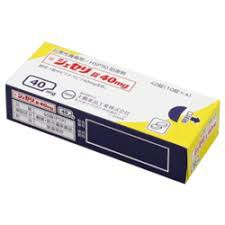
Pimotebi, as a selectiveHSP90α/β inhibitor, achieved remarkable results in a Phase III clinical study called CHAPTER-GIST-301 conducted in Japan. This study included GIST patients who had failed multiple lines of TKI treatment, that is, patients who had failed imatinib, sunitinib, and regorafenib. The results showed that compared with placebo, pimetibi significantly prolonged progression-free survival (PFS), with the median PFS reaching 2.8 months (pimitibib group) compared with 1.4 months (placebo group), and the disease control rate was also significantly improved. In addition, the drug performs well in terms of safety. Common side effects include nausea, diarrhea, fatigue, etc., most of which are mild to moderate and controllable.
Compared with previous HSP90 inhibitors such as ganetespib and luminespib, pimetibib has higher selectivity, better pharmacokinetic properties and lower hepatotoxicity, which solves the key problems that plague HSP90 drugs in early drug development. Its once-daily oral administration also improves patient compliance and has good clinical feasibility.
It is worth noting that pimetibi not only demonstrates efficacy inGIST, but has also been explored for its potential value in breast cancer, small cell lung cancer, melanoma and other malignant tumors, especially in cancer types with HSP90-dependent molecular pathological characteristics. Currently, Japan has approved pimotebi for the treatment of third-line and above GIST, becoming the world's first approved oral HSP90 inhibitor, providing new treatment hope for patients with drug-resistant stromal tumors.
Future research still needs to focus on the combined therapeutic potential of pimetibi, such as combining it withTKIs, immune checkpoint inhibitors or mTOR inhibitors to improve efficacy and delay the development of drug resistance. In addition, the search for biomarkers that predict efficacy, such as HSP90 expression levels or KIT mutation subtypes, is expected to enable precise treatment, thereby further improving the efficiency of the drug's clinical application.
Reference materials:https://en.wikipedia.org/wiki/Pimitespib
[ 免责声明 ] 本页面内容来自公开渠道(如FDA官网、Drugs官网、原研药厂官网等),仅供持有医疗专业资质的人员用于医学药学研究参考,不构成任何治疗建议或药品推荐。所涉药品可能未在中国大陆获批上市,不适用于中国境内销售和使用。如需治疗,请咨询正规医疗机构。本站不提供药品销售或代购服务。


