
.jpeg)
Analysis of the main functions and side effects of axitinib/axitinib tablets
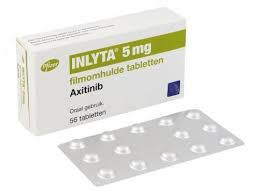
Axitinib is a new type of targeted anti-cancer drug with the trade name "Inlyta", developed by Pfizer of the United States. The drug is an oral small molecule tyrosine kinase inhibitor (TKI) that is highly selective and mainly targets vascular endothelial growth factor receptors (VEGFR) 1, 2, and 3. By inhibiting the activity of these receptors, it blocks the formation of new blood vessels in tumors, thereby inhibiting the growth and spread of tumors. It is mainly used to treat advanced renal cell carcinoma (RCC), especially in second-line treatment after failure of first-line treatment. In recent years, it has also been explored as a first-line application model in combination with immunotherapy.
The main effect of axitinib is to block tumor angiogenesis (i.e., anti-angiogenesis), because tumor growth and metastasis depend on a continuous blood supply. VEGF is a core factor in regulating tumor angiogenesis, and axitinib, by targeting the VEGFR pathway, can effectively reduce the formation of blood vessels in tumor tissue, inhibit its nutrient supply, and thereby delay disease progression. Compared with traditional chemotherapy, axitinib usually has higher efficacy and better tolerability due to its high specificity. In particular, in multiple clinical studies, axitinib has significantly prolonged progression-free survival (PFS), and some patients can also observe a lesion shrinkage response, showing good anti-tumor activity.
However, while axitinib exerts its anti-tumor effect, it also brings some typical adverse reactions due to its mechanism of action. One of the most common side effects is hypertension, which is caused by endothelial dysfunction and vasoconstriction caused by VEGFR inhibition. Therefore, while taking the medication, patients need to monitor their blood pressure regularly and, if necessary, use antihypertensive drugs to control it. Secondly, common side effects of patients include fatigue, diarrhea, hand-foot syndrome (redness, peeling, pain of hands and feet), nausea, weight loss, stomatitis, etc. Some patients may also develop thyroid dysfunction, proteinuria, or mildly elevated liver function indicators, which require regular laboratory monitoring for management.
In clinical practice, the dosage of axitinib usually starts at 5 mg twice a day, and can be adjusted appropriately according to the patient's tolerance and efficacy. Its metabolism is mainly through the hepatic CYP3A4 pathway, so its plasma concentration may be affected when used simultaneously with strong inhibitors or inducers of CYP3A4 (such as certain anti-epileptic drugs, antifungal drugs or antiviral drugs). In addition, considering its potential side effects and complex interactions, patients should receive regular evaluation and monitoring by oncologists while using axitinib to ensure drug safety and maximize efficacy.
It is worth noting that axitinib has been officially approved for marketing in China and has been included in the National Medical Insurance List (Class B drugs), which has significantly reduced the financial burden on patients. Although its current main indication is still the second-line treatment of advanced renal cancer, as relevant clinical research continues to deepen, axitinib is also exploring its application potential in other blood vessel-dependent tumors (such as thyroid cancer, liver cancer), and may play a role in a wider range of tumor treatment fields in the future.
Reference materials:https://en.wikipedia.org/wiki/Axitinib
[ 免责声明 ] 本页面内容来自公开渠道(如FDA官网、Drugs官网、原研药厂官网等),仅供持有医疗专业资质的人员用于医学药学研究参考,不构成任何治疗建议或药品推荐。所涉药品可能未在中国大陆获批上市,不适用于中国境内销售和使用。如需治疗,请咨询正规医疗机构。本站不提供药品销售或代购服务。


