
.jpeg)
What is the correct way to take fenelidone
Finerenone is a novel, non-steroidal selective mineralocorticoid receptor antagonist that is widely used in adult patients with chronic kidney disease (CKD) associated with type 2 diabetes (T2D) to reduce the risk of further deterioration of renal function and reduce the occurrence of serious adverse events such as end-stage renal disease (ESRD), cardiovascular death, non-fatal myocardial infarction and hospitalization for heart failure. Its correct use is not only related to the efficacy of the drug, but also crucial to ensuring the patient's medication safety. Therefore, the recommended medication regimen must be strictly followed, and the dose must be dynamically adjusted based on the patient's individual renal function and serum potassium level.
During the initial treatment phase, the dosage of fenelidone needs to be stratified according to the patient's glomerular filtration rate (eGFR). If eGFR ≥ 60 mL/min/1.73m², the recommended starting dose is 20 mg once daily; if eGFR is between 25 and 60 mL/min/1.73m², the recommended starting dose is 10 mg once daily; for patients with eGFR < 25 mL/min/1.73m², the use of fenelidone is currently not recommended because the safety and efficacy have not been fully verified. This medicine should be swallowed whole and should not be broken or chewed. It is usually taken at a fixed time each day, with or without food.
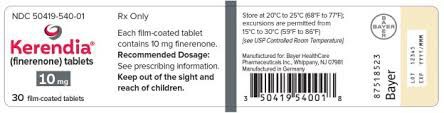
Dose adjustments during use of fenelinone are primarily based on the patient's serum potassium concentration. It is recommended to review the serum potassium level 4 weeks after the initial treatment and determine whether the dose needs to be adjusted accordingly. If the serum potassium value is ≤4.8 mEq/L, patients with a starting dose of 10 mg can consider increasing it to 20 mg to achieve the best therapeutic effect; if the starting dose is 20 mg, the original dose can be maintained. If the serum potassium value is between 4.8 and 5.5 mEq/L, no adjustment is needed whether the starting dose is 10 mg or 20 mg, just maintain the current dose. However, once the serum potassium value rises to >5.5 mEq/L, regardless of whether the patient was originally taking 10 mg or 20 mg, the medication must be suspended immediately until the serum potassium value drops to ≤5.0 mEq/L before treatment can be resumed. At this time, the recovery dose should be 10 mg once a day and cannot directly return to 20 mg.
Serum potassium and eGFR must be monitored regularly during treatment, especially if used in combination with other drugs that affect renal function or serum potassium levels (such as ACEI, ARB, NSAIDs, etc.). Hyperkalemia is one of the most vigilant adverse reactions of fenelidone, so early monitoring and timely intervention are decisive to ensure safety. In addition, when the disease progresses or unacceptable adverse effects occur, continued maintenance or adjustment of the medication should be evaluated. Studies have shown that fenelidone has clinically significant efficacy in controlling proteinuria, delaying the progression of CKD, and reducing cardiovascular events. It is one of the most promising drugs in the treatment of chronic kidney disease combined with diabetes.
In short, the correct use of fenelidone requires dynamic management based on the patient's renal function, serum potassium level, and clinical response. Standardized dose selection and reasonable dose adjustment strategies not only help to give full play to its pharmacological advantages, but also significantly reduce the safety risks associated with medication, which are the key to ensuring long-term efficacy. It is recommended that patients strictly follow the doctor's instructions during use and regularly review relevant laboratory indicators to achieve maximum benefit.
Reference materials:https://www.kerendia.com/
[ 免责声明 ] 本页面内容来自公开渠道(如FDA官网、Drugs官网、原研药厂官网等),仅供持有医疗专业资质的人员用于医学药学研究参考,不构成任何治疗建议或药品推荐。所涉药品可能未在中国大陆获批上市,不适用于中国境内销售和使用。如需治疗,请咨询正规医疗机构。本站不提供药品销售或代购服务。


