
.jpeg)
How effective is molotinib/mometinib in the treatment of myelofibrosis? Clinical efficacy and usage experience
Momelotinib is a targeted therapy drug targeting JAK2 mutations. It is mainly used to treat myelofibrosis (MF) and other diseases related to abnormalities in the JAK-STAT signaling pathway. Myelofibrosis is a pathological state caused by the proliferation of interstitial fibers in the bone marrow. It is often accompanied by clinical manifestations such as anemia, splenomegaly, and hepatomegaly, and the patient's prognosis is poor. As an oral JAK1/2 inhibitor, molotinib inhibits abnormal bone marrow hematopoietic function by regulating the JAK-STAT signaling pathway, thereby improving patients' clinical symptoms and quality of life.
For patients with myelofibrosis, the therapeutic effect of molotinib is more significant. The main mechanism lies in the inhibitory effect on JAK2 mutations. JAK2 mutations are common molecular changes in patients with myelofibrosis, especially the JAK2V617F mutation, which is closely related to the occurrence of myelofibrosis. Molotinib can inhibit the fibrosis process by inhibiting the activity of JAK2 and other related kinases, thereby reducing the proliferation of abnormal hematopoietic stem cells and improving the pathological manifestations of myelofibrosis. By inhibiting this pathological mechanism, molotinib can effectively alleviate patients' symptoms such as anemia and splenomegaly, and help improve the patient's overall quality of life.
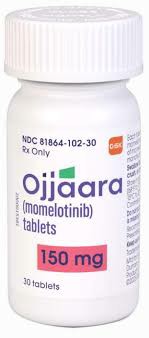
In clinical studies, molotinib has shown good efficacy. Multiple studies have shown that molotinib can significantly reduce splenomegaly and hepatomegaly, and improve anemia symptoms and hemoglobin levels in patients with myelofibrosis. Especially for those patients who have previously received conventional treatments (such as hydroxyurea, interferon, etc.) that are ineffective, molotinib, as a second-line treatment drug, can effectively improve the efficacy and provide a feasible treatment option. In addition, molotinib also shows strong advantages in improving symptoms. The patient's quality of life is significantly improved, and it can reduce abdominal pain and discomfort caused by splenomegaly and other problems.
In terms of tolerability, molotinib is generally considered safe. Most patients tolerate the drug without serious side effects. Common adverse reactions include mild gastrointestinal discomfort, fatigue, rash, etc., which can generally be alleviated through symptomatic treatment in clinical use. Compared with other similar drugs, molotinib has milder side effects and better drug resistance in patients. A small number of patients may experience hematological abnormalities, such as leukopenia or thrombocytopenia, but most of these conditions gradually improve during treatment. Therefore, molotinib has both good efficacy and high safety in the treatment of myelofibrosis.
However, although molotinib has made some clinical progress in the treatment of myelofibrosis, some challenges still exist. First, although molotinib is effective in symptom relief, its long-term curative effect on myelofibrosis is still limited. Even if patients improve significantly in the short term, maintenance of long-term effects will require further research. Secondly, some patients may be resistant to molotinib or have poor efficacy, which requires adjustment and optimization through individualized treatment strategies.
Reference materials:https://en.wikipedia.org/wiki/Momelotinib
[ 免责声明 ] 本页面内容来自公开渠道(如FDA官网、Drugs官网、原研药厂官网等),仅供持有医疗专业资质的人员用于医学药学研究参考,不构成任何治疗建议或药品推荐。所涉药品可能未在中国大陆获批上市,不适用于中国境内销售和使用。如需治疗,请咨询正规医疗机构。本站不提供药品销售或代购服务。


