
.jpeg)
Is giritinib a targeted drug? Analysis of pharmacological mechanisms and clinical applications
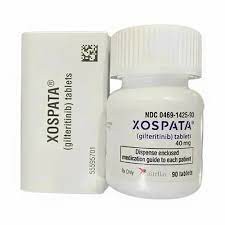
Gilteritinib is a new type of oral targeted anti-cancer drug, which belongs to the tyrosine kinase inhibitor (Tyrosine Kinase Inhibitor, TKI) class of drugs. It is specially used to treat acute myeloid leukemia (AML) patients with FLT3 gene mutations. It was approved for marketing in the United States in 2018 and is gradually used globally to treat patients with relapsed or refractory AML. The reason why giritinib is classified as a "targeted drug" is that it can accurately target and inhibit the overactive FLT3 mutant protein in cancer cells, thereby blocking its abnormal signaling pathways, achieving the purpose of inhibiting tumor cell proliferation and inducing apoptosis, and is more specific and better tolerated than traditional chemotherapy.
From a pharmacological mechanism, giritinib mainly acts onFLT3 (FMS-like tyrosine kinase 3) receptor. This receptor plays an important regulatory role in normal hematopoietic stem cells. In about 30% of AML patients, the FLT3 gene has mutations, the most common of which are FLT3-ITD (internal tandem duplication) and FLT3-TKD (tyrosine kinase domain) mutations. These mutations cause conformational changes in the enzyme, leaving it in a continuously activated state, driving leukemia cells to proliferate indefinitely and evade normal apoptotic mechanisms. Giritinib can effectively inhibit the above two types of FLT3 mutant proteins, including those mutant subtypes that are resistant to first-generation FLT3 inhibitors (such as sorafenib), and thus has become one of the key drugs in the current treatment of FLT3 mutation-positive AML.
In addition toFLT3, giritinib can also inhibit a variety of other kinase targets related to leukemia cell proliferation, such as AXL, ALK, LCK, etc. This "multi-target" feature helps it maintain its efficacy after drug resistance mutations or relapse. Unlike traditional chemotherapy, giritinib does not directly destroy normal cells, but controls the disease through precise inhibition of disease signaling pathways. Therefore, adverse reactions are relatively mild and patients have higher compliance.
In terms of clinical application, giritinib is currently widely used to treat adult patients with relapsed or refractory AML known to have FLT3 mutations. In the ADMIRAL phase III international multicenter study, giritinib significantly prolonged the median overall survival of patients (9.3 months vs. 5.6 months) compared with standard chemotherapy, and had a higher overall response rate (ORR) of complete response (CR) or partial response, and was accompanied by fewer adverse events. Research data shows that even patients who are refractory to previous treatments and whose disease is highly progressive are still expected to achieve significant hematological remission or even complete remission after using giritinib.
Giritinib is usually administered orally once daily, and the recommended dose is120mg, can be taken before or after meals. Its blood concentration is relatively stable, and its onset of effect is generally within two to four weeks after taking the drug. Most patients can see improvement in their blood conditions within the first month. Compared with other targeted drugs, the toxic and side effects of giritinib are generally controllable. Common side effects include fatigue, diarrhea, increased transaminases, increased blood pressure, and prolongation of the QT interval. A very small number of patients may develop serious reactions such as differentiation syndrome and increased creatinine. Therefore, electrolytes, electrocardiograms, and liver and kidney functions need to be regularly monitored in the early stages of treatment.
In addition, giritinib is gradually playing a role in combination therapy. Currently, clinical trials are underway to use giritinib in combination with hypomethylating drugs (such as decitabine) or chemotherapy drugs for newly treated elderly patients with AML, and as a maintenance treatment after allogeneic hematopoietic stem cell transplantation to delay relapse and improve long-term survival rates. Preliminary research results show that giritinib has good efficacy and safety when used at different stages of treatment, suggesting that it is expected to play a broader role in the full cycle of AML treatment.
Reference materials:https://www.xospata.com/
[ 免责声明 ] 本页面内容来自公开渠道(如FDA官网、Drugs官网、原研药厂官网等),仅供持有医疗专业资质的人员用于医学药学研究参考,不构成任何治疗建议或药品推荐。所涉药品可能未在中国大陆获批上市,不适用于中国境内销售和使用。如需治疗,请咨询正规医疗机构。本站不提供药品销售或代购服务。


