
.jpeg)
Can Guanfacine cure ADHD?
Guanfacine is a non-stimulant drug originally used to treat high blood pressure and later approved for the treatment of attention deficit hyperactivity disorder (ADHD) in children and adolescents due to its specific effects on the central nervous system. It mainly activates α2A adrenergic receptors in the brain and enhances the function of the prefrontal cortex, thereby improving attention, impulse control and executive functions. Although guanfacine has shown promising results in the management of ADHD, it needs to be clear that it does not “cure” ADHD but is a treatment for long-term management of symptoms.
ADHD is a chronic neurodevelopmental disorder whose etiology involves multiple genetic, neurobiological, and environmental factors. So far, there are no drugs or therapies that can completely cure ADHD. The main goals of treatment are to control core symptoms (inattention, impulsivity, hyperactivity) and improve functional performance, such as learning, interpersonal relationships, and daily living abilities. Guanfacine is often used as a monotherapy or in combination with a stimulant drug such as methylphenidate (Ritalin) to enhance its efficacy or reduce the side effects of the stimulant drug.
One of the main advantages of guanfacine is its ability to improve symptoms associated with anxiety, sleep problems, and mood swings.It is especially suitable for children who have poor responses to stimulating drugs or have obvious side effects. In addition, it has a sedative effect and helps improve problems such as easy waking up at night and difficulty falling asleep. Therefore, it is also used as an auxiliary treatment for sleep disorders in some countries.
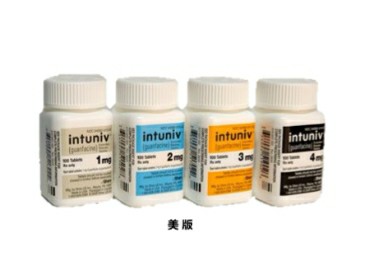
According to overseas studies, such as the United StatesFDA-approved brand Intuniv (guanfacine extended-release tablets) has shown significant efficacy in children and adolescents aged 6-17 in multiple clinical trials, improving attention scores and reducing impulsive behavioral problems. However, the effect usually appears after 4-6 weeks of medication, and continuous medication is required to maintain the effect. Once the drug is stopped, symptoms often return, which means it is not a "curative" treatment.
As for safety in long-term use, the results of current studies are generally positive. Most side effects are manageable, such as drowsiness, low blood pressure, tiredness, and decreased appetite. It is worth noting that sudden discontinuation of medication may cause a rebound increase in blood pressure or accelerated heart rate, so discontinuation of medication requires gradual tapering under the guidance of a doctor. In addition, some parents are worried that the drug will affect their children's intelligence or development. Current research has not found that guanfacine has a negative impact on intellectual development, but height, weight and mood changes need to be closely monitored.
Judging from multiple data, guanfacine is consideredAn important addition to the ADHD treatment toolbox, but not a panacea. The management of ADHD often requires multidisciplinary intervention, including behavioral therapy, family education guidance, school support measures, etc., of which medication is only part. For some patients, medication may be a temporary adjunct, while for others, it may require ongoing medication support for many years.
In summary, guanfacine cannot "cure" ADHD, but it has a clear role in relieving symptoms and improving learning and behavioral control. Guanfacine is a safe and effective treatment option for appropriate patients, especially those with anxiety, sleep disorders, or intolerance to stimulant medications. The ideal treatment should be individualized according to the patient's specific situation, and long-term follow-up and family support are also keys to successful treatment. If parents have questions about the use of drugs, they should fully communicate with professional doctors. It is not recommended to increase or decrease the dosage or stop the drug on their own, so as not to affect the treatment effect and the long-term development of the child.
Reference materials:https://medlineplus.gov/druginfo/meds/a601059.html
[ 免责声明 ] 本页面内容来自公开渠道(如FDA官网、Drugs官网、原研药厂官网等),仅供持有医疗专业资质的人员用于医学药学研究参考,不构成任何治疗建议或药品推荐。所涉药品可能未在中国大陆获批上市,不适用于中国境内销售和使用。如需治疗,请咨询正规医疗机构。本站不提供药品销售或代购服务。


