
.jpeg)
Analysis of the Chinese version of the instructions for serputinib/serpatinib
1. Indications
Selpercatinib's indications cover several different types of cancer, especially those closely related to RET gene mutations or fusions. Its main indications include:
1. RET fusion-positive non-small cell lung cancer (NSCLC): Sepretinib is suitable for the treatment of patients with RET gene fusion-positive locally advanced or metastatic non-small cell lung cancer. Non-small cell lung cancer is the most common type of lung cancer, and patients with RET gene fusions often respond poorly to traditional chemotherapy and immunotherapy. Seputinib provides a more precise treatment by targeting RET fusion, allowing patients with RET-positive non-small cell lung cancer to achieve significant therapeutic effects.
2. RET-mutant medullary thyroid cancer (MTC): Septinib provides a systemic treatment option for patients 12 years of age and older with advanced or metastatic RET-mutant medullary thyroid cancer. MTC is a relatively rare type of thyroid cancer that is closely related to RET gene mutations. Traditional treatments usually have limited effects. Seputinib can significantly delay disease progression and improve patients' survival and quality of life.
3. RET fusion-positive thyroid cancer (TC): Seputinib is also suitable for the treatment of RET fusion-positive thyroid cancer, especially patients with advanced or metastatic thyroid cancer refractory to radioactive iodine. For such patients, traditional treatment methods, such as radioactive iodine treatment, are often ineffective. However, as a targeted therapy drug, seputinib can significantly improve the treatment effect.
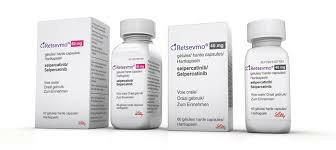
4. Others RET fusion-positive solid tumors: In addition to lung cancer and thyroid cancer, seputinib is also suitable for the treatment of other RET fusion-positive solid tumors, including those patients who have progressed after systemic therapy. For these patients, seputinib offers new therapeutic hope, especially when traditional treatments are ineffective or have excessive side effects.
2. Usage and dosage of seputinib
The dose of seputinib is usually adjusted based on the patient's weight and specific disease type. For patients weighing less than 50 kg, the recommended dose is 120 mg; for patients weighing 50 kg or more, the recommended dose is 160 mg. This drug should be taken orally twice daily every 12 hours until disease progression or unacceptable side effects occur. Septinib can be taken with or without food. However, special care should be taken if patients are taking proton pump inhibitors (PPIs), as PPIs may affect the absorption of seputinib.
While taking seputinib, if a patient experiences vomiting after taking the drug, they should avoid immediately re-dose and instead wait until the next scheduled dose before continuing treatment. In addition, patients need to undergo relevant medical examinations regularly to evaluate the efficacy of the drug and monitor possible side effects.
3. The efficacy and side effects of seputinib
Clinical studies have shown that seputinib has significant efficacy in patients with positive RET gene mutations. Taking patients with RET fusion-positive non-small cell lung cancer as an example, in clinical trials, seputinib significantly improved progression-free survival (PFS) and overall response rate (ORR). Similar efficacy has been demonstrated in patients with RET-mutated medullary thyroid cancer and RET fusion-positive thyroid cancer. After receiving seputinib treatment, the patient not only effectively inhibited tumor growth, but also significantly improved his quality of life.
Although Seputinib is effective, it may cause some side effects. Common side effects include fatigue, diarrhea, abnormal liver function, and decreased appetite. A small number of patients may experience serious adverse reactions, such as liver damage, QT interval prolongation, etc. Therefore, patients need to be strictly monitored under the guidance of a doctor when using seputinib, especially for patients with liver dysfunction or a history of heart disease.
Reference:https://en.wikipedia.org/wiki/Selpercatinib
[ 免责声明 ] 本页面内容来自公开渠道(如FDA官网、Drugs官网、原研药厂官网等),仅供持有医疗专业资质的人员用于医学药学研究参考,不构成任何治疗建议或药品推荐。所涉药品可能未在中国大陆获批上市,不适用于中国境内销售和使用。如需治疗,请咨询正规医疗机构。本站不提供药品销售或代购服务。


