
.jpeg)
What is the effect of talazoparib/talazopanib combined with enzalutamide? Advantages and efficacy of combination therapy
Talazoparib and enzalutamide are two drugs with important applications in cancer treatment. They are often used in combination therapy, especially in the treatment of prostate cancer. The two represent different targeted treatment strategies, the former is aPARP inhibitor, and the latter is an anti-androgen drug. The combination of these two drugs has shown positive results in multiple clinical trials, particularly in patients with metastatic castration-resistant prostate cancer (mCRPC).
Talazoparib is aPARP (polyadenosine diphosphate ribose polymerase) inhibitor that induces cancer cell death by blocking DNA repair mechanisms. The PARP enzyme plays a crucial role in repairing DNA damage, especially in certain cancer cells, which rely on PARP to repair DNA damage. Therefore, PARP inhibitors kill cancer cells by destroying the repair ability of these cells, making it impossible for cancer cells to repair DNA damage.
Enzalutamide is an antiandrogen drug widely used in the treatment of prostate cancer. The growth of prostate cancer is often closely related to the effects of male hormones, such as testosterone. Enzalutamide blocks the androgen receptor and inhibits the stimulation of prostate cancer cells by androgens, thereby inhibiting the proliferation of cancer cells. This makes enzalutamide a core drug in the treatment of prostate cancer, especially for patients with castration-resistant prostate cancer (CRPC).
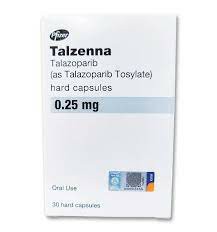
The combined treatment strategy of talazoparib and enzalutamide can provide a more potent therapeutic effect by integrating two different mechanisms of action. Enzalutamide reduces the growth driving force of cancer cells by inhibiting the effects of androgens, while talazoparib enhances cancer cell death by inhibiting DNA repair mechanisms. The biggest advantage of this combination therapy is that it can effectively attack cancer cells through two different pathways at the same time, thereby improving the anti-cancer effect of the treatment.
In multiple clinical trials, especially in patients with metastatic castration-resistant prostate cancer (mCRPC), the effect of combination therapy is more significant than using either drug alone. For example, clinical trials of the combination treatment of talazoparib and enzalutamide showed that patients' disease control effect and progression-free survival (PFS) were improved after receiving the combination treatment. The study also found that combination therapy can significantly improve response rates and reduce the risk of disease progression compared with enzalutamide or talazoparib alone.
It is worth noting that although combination therapy has improved efficacy, it is also accompanied by some adverse reactions. Common side effects include fatigue, anemia, nausea, etc., and some patients may experience more severe bone marrow suppression or other drug-related side effects. Therefore, the choice of treatment plan needs to be individually adjusted according to the patient's specific situation. Patients should be strictly monitored by doctors when receiving combination therapy to maximize the treatment effect and reduce adverse reactions.
Reference materials:https://www.talzenna.com/
[ 免责声明 ] 本页面内容来自公开渠道(如FDA官网、Drugs官网、原研药厂官网等),仅供持有医疗专业资质的人员用于医学药学研究参考,不构成任何治疗建议或药品推荐。所涉药品可能未在中国大陆获批上市,不适用于中国境内销售和使用。如需治疗,请咨询正规医疗机构。本站不提供药品销售或代购服务。


