
.jpeg)
Instructions for use of the new GnRH antagonist Linzagolix in the treatment of patients with uterine fibroids
In recent years, new treatment options for benign gynecological diseases have been continuously introduced, and Linzagolix is one of the innovative drugs that has attracted much attention. This drug is a gonadotropin-releasing hormone (GnRH) receptor antagonist that is taken orally once a day and has the effect of suppressing sex hormone levels and relieving related symptoms. Developed and produced by Theramex Company, Linzagolix has been gradually used to treat uterine fibroids and endometriosis since it was approved in the EU in 2022.
According to the latest clinical guidelines, Linzagolix is suitable for adult women of childbearing potential, mainly for two situations: one is those with moderate to severe symptoms related to uterine fibroids; the other is patients with endometriosis who have received drug or surgical treatment. At the end of 2024, the European Union expanded the drug’s scope of application to the symptomatic treatment of endometriosis, further enhancing its clinical value.
Recommended uses for Linzagolix vary from person to person. For patients with uterine fibroids, it is usually recommended to take 100 mg or 200 mg daily, supplemented by estrogen and progesterone supplementation (i.e., ABT). If you do not want to undergo hormone replacement therapy, you can use the 100mg dose alone. In addition, in order to reduce the size of the uterus and fibroids, a dose of 200mg can also be taken for a short period of time (no more than six months) without hormonal therapy. Patients with endometriosis are recommended to use 200mg daily in combination with ABT to relieve symptoms such as dysmenorrhea and pelvic pain.
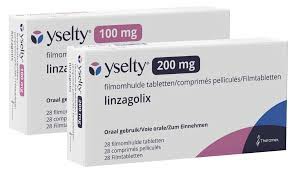
Before taking Linzagolix , the possibility of pregnancy should be ruled out first, and it is recommended to start taking the drug at the beginning of the menstrual cycle. It is worth noting that this drug may have a certain impact on bone mineral density (BMD). For long-term use, it is recommended to perform regular DXA scans to assess the risk of bone mass changes.
LinzagolixThe characteristics of metabolism and excretion also determine its use restrictions in special groups. Patients with severe hepatic or renal impairment should avoid using this product, while patients with mild to moderate impairment usually do not require dose adjustment. In addition, forQTPatients with a prolonged interval or a history of heart disease should exercise caution when taking this product, especially when taken with other drugs that may prolong the QT interval.
In terms of safety, Linzagolix has been observed to cause mild to moderate adverse reactions such as hot flashes, headache, vaginal bleeding, etc., but is generally well tolerated. Women with lactose intolerance or a history of severe depression should also use it with caution under the guidance of a doctor.
It should be emphasized that Linzagolix itself does not have a contraceptive effect, and effective non-hormonal contraceptive measures must be taken during treatment. Reduced menstruation or amenorrhea may affect the timely recognition of pregnancy, so once pregnancy is suspected, the medication should be stopped immediately and a doctor should be consulted.
In summary, Linzagolix, as a new GnRH antagonist, provides a new non-surgical treatment option for patients with uterine fibroids and endometriosis. Through rational use of medications and standardized management, potential risks can be reduced while ensuring efficacy, which is one of the important directions in the future drug treatment of chronic gynecological diseases.
[ 免责声明 ] 本页面内容来自公开渠道(如FDA官网、Drugs官网、原研药厂官网等),仅供持有医疗专业资质的人员用于医学药学研究参考,不构成任何治疗建议或药品推荐。所涉药品可能未在中国大陆获批上市,不适用于中国境内销售和使用。如需治疗,请咨询正规医疗机构。本站不提供药品销售或代购服务。


