
.jpeg)
A complete review of the side effects of ensidipine, a must-read before taking the drug!
Enasidenib is an oral IDH2 inhibitor that is widely used to treat relapsed or refractory IDH2-mutant acute myeloid leukemia (AML). Although the drug has demonstrated significant efficacy in clinical applications, especially providing a new treatment option for patients who have failed to respond to traditional chemotherapy, it is also accompanied by a series of potential side effects. It is important for both patients and doctors to understand these risks before taking the drug. One of the most significant side effects of ensidipine is differentiation syndrome, an immune overreaction caused by the rapid differentiation of leukemia cells. Symptoms include fever, dyspnea, rapid weight gain, edema, hypotension, and multiple organ dysfunction. If glucocorticoid intervention is not promptly identified and used, it may be life-threatening. Most differentiation syndromes develop within a few weeks of treatment, so close monitoring is needed during the early stages of treatment.
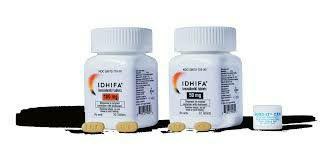
In addition, ensidipine may also cause hyperbilirubinemia, which is related to the drug's interference with bilirubin metabolism, usually manifesting as jaundice of the skin or sclera. Some patients may develop leukocytosis during treatment. Although this is usually a sign of differentiation, excessive leukocyte counts may lead to hyperviscosity syndrome or thrombosis. Gastrointestinal reactions such as nausea, vomiting, loss of appetite, and diarrhea are also common. Although most are mild to moderate, some cases require symptomatic treatment or adjustment of medication regimen.
During the course of medication, blood, electrolytes, liver and kidney function, and electrocardiogram need to be monitored regularly to identify and deal with possible adverse reactions in a timely manner. As a targeted therapy drug, ensidipine has a side effect spectrum that is completely different from traditional chemotherapy. Patients should receive detailed medication guidance and risk assessment before taking the drug. Although there are certain side effects, most adverse reactions can be controlled through close monitoring and individualized management. In the future, with the accumulation of clinical experience and the optimization of combination drug strategies, its safety is expected to be further improved.
Reference materials:https://www.idhifa.com/
[ 免责声明 ] 本页面内容来自公开渠道(如FDA官网、Drugs官网、原研药厂官网等),仅供持有医疗专业资质的人员用于医学药学研究参考,不构成任何治疗建议或药品推荐。所涉药品可能未在中国大陆获批上市,不适用于中国境内销售和使用。如需治疗,请咨询正规医疗机构。本站不提供药品销售或代购服务。


