
.jpeg)
Guanfacine resistance management
Guanfacine as a selective α2A adrenergic receptor agonist, is widely used in the treatment of attention deficit hyperactivity disorder (ADHD) and hypertension and other diseases. Although its mechanism of action is clear and its tolerability is relatively good, some patients may still experience weakened drug efficacy, unstable clinical efficacy or "drug resistance" during long-term treatment. The so-called "resistance" to guanfacine is not entirely equivalent to the resistance mechanism in tumors or antibiotic treatment. It is more related to adaptive changes in the neurotransmitter system, reduced central receptor sensitivity or excessive drug exposure time, rather than induction of metabolic enzymes or genetic mutations. Therefore, when facing this phenomenon, clinical practice needs to adopt individualized and mechanism-oriented adjustment strategies.
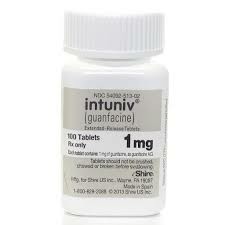
First of all, it is necessary to clearly determine the root cause of the decrease in drug efficacy. For example, whether the patient has poor compliance (such as missing doses, reducing the dose on his own), or the dose itself is insufficient, or the disease itself is progressing, etc. If drug tolerance is confirmed to be elevated, an appropriate increase in dose may be considered, and the dose may be increased slowly under the guidance of a doctor to avoid side effects such as hypotension, bradycardia, or excessive sedation. Guanfacine extended-release agent (Guanfacine XR) has relatively stable drug release characteristics, which can reduce blood concentration fluctuations, maintain efficacy while reducing the incidence of side effects, and is an optimal choice to deal with potential drug resistance problems.
In addition, combination therapy is a commonly used strategy in current clinical practice. For ADHD patients, guanfacine can be used in combination with central stimulants such as methylphenidate (Methylphenidate) and Dexamphetamine (Dexamphetamine) to enhance the efficacy through different neural mechanisms. It can not only alleviate attention deficits, but also control impulsive behavior and anxiety. Studies have shown that this "additive treatment" can significantly improve treatment response while maintaining safety.
For patients with anxiety, depression or sleep disorders, the sedative effect of guanfacine itself may be a double-edged sword, and should be combined with cognitive behavioral therapy (CBT), behavioral intervention and other non-drug therapies. In addition, the efficacy can be evaluated periodically, and the dose can be dynamically adjusted based on patient weight changes, sleep patterns, blood pressure, and heart rate indicators to prevent the risk of drug resistance from continuing to expand.
Reference materials:https://en.wikipedia.org/wiki/Guanfacine
[ 免责声明 ] 本页面内容来自公开渠道(如FDA官网、Drugs官网、原研药厂官网等),仅供持有医疗专业资质的人员用于医学药学研究参考,不构成任何治疗建议或药品推荐。所涉药品可能未在中国大陆获批上市,不适用于中国境内销售和使用。如需治疗,请咨询正规医疗机构。本站不提供药品销售或代购服务。


