
.jpeg)
Risks and Effects of Trientine Hydrochloride Discontinuation
Trientine is a drug commonly used to treat Wilson's disease, a genetic disorder in which copper accumulates in the body due to abnormal copper metabolism. As a copper chelator, trientine promotes the excretion of copper by combining with copper ions in the body, thereby reducing the damage to the liver, brain and other organs caused by copper accumulation. As a long-term treatment drug, the use of trientine usually requires lifelong treatment and cannot be stopped at will.
Risks after stopping medication
The main function of trientine is to promote the excretion of copper by binding to free copper in the body. If a patient stops taking the drug, copper accumulation in the body will return and may cause symptoms of Wilson's disease to worsen again. Copper deposition in patients with Wilson's disease usually first appears in the liver and, if left unchecked, can gradually spread to the central nervous system and other vital organs. After discontinuation of medication, the concentration of copper in the liver and brain will rapidly increase, thereby aggravating liver damage, nervous system damage, and even causing liver failure.
Specifically, the following effects may occur after stopping the drug:
1. Exacerbation of liver damage: Wilson's disease can lead to the accumulation of copper in the liver, causing liver inflammation, fibrosis, and even cirrhosis. After stopping the drug, copper levels in the body rise, which may accelerate liver damage, lead to the development of more serious liver disease, and may eventually lead to liver failure.
2.Aggravation of neurological symptoms: Copper deposition in the central nervous system (including the brain and spinal cord) can affect neurological function, leading to symptoms such as movement disorders, tremors, unsteady gait, and difficulty speaking. After drug withdrawal, copper accumulation increases, which may cause these neurological symptoms to rapidly worsen, affecting the patient's quality of life and daily functions.
3. Worsening of psychological symptoms: Patients with Wilson's disease may experience mood changes, psychopathological symptoms, etc. Stopping medication will worsen these psychological symptoms and may even develop into more serious mental disorders.
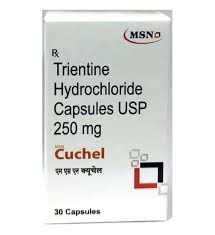
Can the medication be stopped?
Treatment with trientine is usually long-term maintenance, especially in the early stages of Wilson's disease. Patients can usually maintain a relatively stable condition if they adhere to correct medication and monitoring. However, if the patient stops taking the drug for some reason, the copper accumulation process may show symptoms within months to years. Therefore, stopping the drug can lead to a recurrence or even aggravation of the condition.
Some conditions, such as an allergic reaction to the drug, serious side effects, or other health problems, may require you to suspend your use of trientine. In this case, the doctor will adjust the treatment plan based on the patient's specific situation, possibly switching to other copper chelators or treatment options, and strengthening monitoring of copper levels to avoid further worsening of the disease. Therefore, any decision to discontinue medication should be made under the guidance of a professional physician, and patients need to closely monitor copper metabolism during the discontinuation process.
Monitor and treat
The effectiveness of trientine relies on strict treatment and regular monitoring. In patients using trientine to treat Wilson's disease, regular blood tests, monitoring of urinary copper excretion, liver function tests, etc. are very necessary to evaluate the effect of the drug and adjust the dose in a timely manner. Even if the patient's symptoms are relieved, the patient must continue taking the medication and avoid discontinuing the medication on his own.
In addition, patients need to pay attention to daily diet control and avoid ingesting foods high in copper, such as animal liver, seafood, etc., to reduce copper intake and help the drug better control copper levels in the body. During treatment, patients should also avoid other drugs that may affect liver function or interact with drugs to ensure that the effect of treatment is not interfered with.
Trientine plays a very important role as a treatment drug for Wilson's disease. Stopping the drug can lead to a rapid accumulation of copper in the body, which can exacerbate liver damage and neurological symptoms and increase the risk of disease. Patients cannot stop taking medications without authorization and should manage medications under the guidance of a doctor. If you encounter adverse drug reactions or other health problems, you should communicate with your doctor and adjust your treatment plan in a timely manner. Through continuous drug treatment and monitoring, patients can effectively control Wilson's disease, avoid worsening of the disease, and maintain quality of life. Therefore, patients should maintain active cooperation during the treatment process and undergo regular examinations to ensure the long-term stability of the treatment.
Reference materials:https://www.cufence.com/
[ 免责声明 ] 本页面内容来自公开渠道(如FDA官网、Drugs官网、原研药厂官网等),仅供持有医疗专业资质的人员用于医学药学研究参考,不构成任何治疗建议或药品推荐。所涉药品可能未在中国大陆获批上市,不适用于中国境内销售和使用。如需治疗,请咨询正规医疗机构。本站不提供药品销售或代购服务。


