
.jpeg)
Is Binimetinib a targeted drug or a chemotherapy drug?
Binimetinib is a targeted drug, not a chemotherapy drug in the traditional sense. It belongs to the MEK inhibitor class and specifically acts on the MEK1 and MEK2 protein kinases in the MAPK/ERK signaling pathway. This signaling pathway plays a key role in the development of various tumors, and is especially common in malignant melanoma, thyroid cancer, lung cancer and some colorectal cancers carrying BRAF V600 mutations. Bimetinib can block this signaling pathway, thereby inhibiting the proliferation and survival of cancer cells.
Compared with traditional chemotherapy drugs, bimetinib’s mechanism of action is more targeted. Traditional chemotherapy drugs mostly kill rapidly dividing cells by inhibiting cell division, interfering with DNA replication or destroying microtubule structures. This method not only affects cancer cells, but also affects normal tissues, especially bone marrow, hair follicles and intestinal epithelial cells, often leading to serious side effects such as hair loss, nausea, immunosuppression, etc. Bimetinib selectively acts on tumor pathways driven by specific mutations, has less impact on normal cells, and has relatively controllable side effects. Common adverse reactions include rash, edema, vision changes, etc.
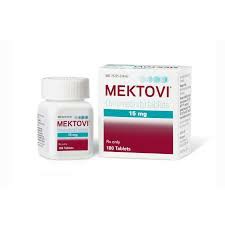
In addition, targeted drugs such as bimetinib often need to be used in combination with other targeted drugs to improve efficacy, such as combined treatment with BRAF inhibitors (such as entrectinib, dabrafenib), thereby achieving double blockade of tumor pathways, improving treatment response rates, and delaying the occurrence of drug resistance. This is also an important advantage of targeted therapy—the plan can be formulated more accurately and individually, unlike chemotherapy, which is “one size fits all.”
To sum up, bimetinib is a targeted therapy drug with a specific mechanism. The key to distinguishing it from traditional chemotherapy drugs is its strong targeting, more controllable side effects, and more personalized treatment. It could provide more effective and better-tolerated treatment options for people with specific mutations.
Reference materials:https://go.drugbank.com/drugs/DB11967
[ 免责声明 ] 本页面内容来自公开渠道(如FDA官网、Drugs官网、原研药厂官网等),仅供持有医疗专业资质的人员用于医学药学研究参考,不构成任何治疗建议或药品推荐。所涉药品可能未在中国大陆获批上市,不适用于中国境内销售和使用。如需治疗,请咨询正规医疗机构。本站不提供药品销售或代购服务。


