
.jpeg)
Anamorelin and the treatment of long-term loss of appetite
Anamorelin has been shown to be effective in improving appetite and, to some extent, body weight in cancer patients. By mimicking the effects of ghrelin, anamorelin may help mitigate cancer-related weight loss by stimulating appetite and increasing postprandial intake. In patients with long-term loss of appetite, especially those caused by cancer treatment (such as chemotherapy, radiation therapy) or the disease itself, anamulin can effectively help restore normal appetite and weight, and improve the patient's quality of life. However, the long-term effects of anamorelin still require further clinical observation to verify its sustained effect in patients with anorexia caused by non-cancer.
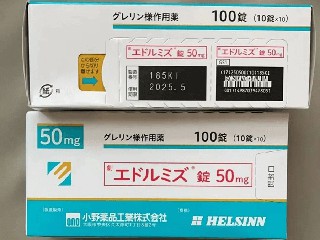
Long-term use of anamorelin may cause some side effects, the most common of which include gastrointestinal discomfort (such as nausea, vomiting, abdominal pain) and water retention (water retention in the body), which may lead to temporary weight gain, but long-term use may affect body fluid balance, thereby aggravating the condition of patients with heart disease or kidney disease. In addition, long-term use of anamorelin may cause excessive stimulation of appetite and weight, resulting in inappropriate weight gain and metabolic burden. Especially for patients with metabolic diseases (such as diabetes), strict monitoring of body weight and blood glucose levels is required during use.
Reference: https://pmc.ncbi.nlm.nih.gov/articles/PMC4677053/
[ 免责声明 ] 本页面内容来自公开渠道(如FDA官网、Drugs官网、原研药厂官网等),仅供持有医疗专业资质的人员用于医学药学研究参考,不构成任何治疗建议或药品推荐。所涉药品可能未在中国大陆获批上市,不适用于中国境内销售和使用。如需治疗,请咨询正规医疗机构。本站不提供药品销售或代购服务。


