
.jpeg)
Are there any special precautions when using teclistamab?
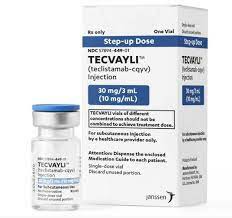
Teritusumab (Teclistamab) is a bispecific antibody mainly used to treat patients with multiple myeloma (MM), especially those who have failed or relapsed with other treatments. As a new type of immunotherapy, teritusumab works by simultaneously binding T cells and BCMA (B Cell maturation antigen) and CD3 receptors activate T cell-mediated immune responses, thereby promoting the attack on cancer cells. Although teritusumab has demonstrated significant efficacy in clinical treatment, there are still some matters that require special attention during its use to ensure the safety and effectiveness of the treatment.
1. Anaphylaxis and infusion-related reactions
Teritusumab is a protein drug that may cause allergic reactions or infusion-related reactions during infusion. These reactions may manifest as fever, chills, rash, shortness of breath, low blood pressure, rapid heartbeat, and even severe allergic reactions (such as anaphylactic shock). Therefore, patients should be evaluated for allergy history before using teritolumab. The first infusion should be carried out in the hospital and observed by experienced medical personnel so that if a reaction occurs, it can be dealt with promptly.
Based on clinical experience, patients may experience varying degrees of infusion reactions when receiving teritusumab, especially during the initial infusion. In order to reduce the occurrence of infusion reactions, treatment usually adopts a graded infusion scheme, that is, starting the infusion with a low dose and gradually increasing the dose to help the patient adapt to the drug. Depending on the severity of the reaction, the doctor may appropriately slow down the infusion rate or temporarily interrupt the infusion until the reaction is controlled. When serious reactions occur, drug infusion should be stopped immediately and symptomatic treatment should be taken.
2. Cytokine release syndrome (CRS)
Cytokine Release Syndrome (CRS) is one of the serious side effects that may occur when using immunotherapy drugs, especially immune checkpoint inhibitors and bispecific antibodies. Teritusumab, as an immunotherapy drug, may cause strong activation of T cells, leading to a cytokine outbreak, manifesting as high fever, chills, headache, nausea, vomiting, dyspnea, hypotension and other symptoms. The occurrence of CRS is usually related to drug dose and infusion rate.
In order to avoid and reduce the occurrence of CRS as much as possible, doctors will monitor the patient according to the specific situation and closely observe the patient's vital signs and cytokine levels during the treatment process. If symptoms of CRS occur, symptomatic treatment is usually given, such as corticosteroids and anti-IL-6Drugs such as receptor monoclonal antibody (tocilizumab) are used to control the release of cytokines and adjust the treatment plan. During initial treatment with teritusumab, patients should be treated in the hospital and closely observed by professionals to ensure prompt recognition and management of CRSCRS.
3. Immune system related side effects
Territuzumab attacks tumor cells by enhancing the immune activity of T cells, which may cause some immune-related side effects. When the immune system is activated, it may cause an autoimmune reaction, attack normal tissues, and produce adverse reactions. Common immune-related side effects include skin reactions (such as rash, itching), liver damage (shown as elevated transaminases), intestinal symptoms (such as diarrhea, abdominal pain), and endocrine system reactions (such as thyroid dysfunction).
In order to reduce the occurrence of these immune-related side effects, patients need to undergo regular blood tests to monitor liver function, renal function, blood routine and endocrine function during the use of teritusumab. If significant side effects occur, drug use may need to be suspended and appropriate symptomatic treatment given. For some serious immune-related side effects, immunosuppressive drugs may be needed to reduce symptoms and control the immune response.
4. Other matters that need attention
When using teritusumab, patients also need to pay attention to the following aspects:
Renal function monitoring: The metabolism and excretion of teritusumab are mainly dependent on the kidneys, therefore, patients with renal insufficiency should use it with special caution. Renal function needs to be evaluated regularly during treatment to ensure that the drug does not increase the burden on the kidneys.
Pregnancy and Lactation: The safety of teritusumab during pregnancy has not been fully established and pregnant women should not use this drug. Before use, you should confirm whether you are pregnant and take effective contraceptive measures. Breastfeeding women also need to be cautious when using teritusumab and should consider stopping breastfeeding or discontinuing use of the drug.
Drug interactions: Teritusumab may interact with other drugs, affecting the efficacy or safety of the drugs. Patients should inform their doctor about all medications they are currently taking before starting treatment, especially immunosuppressants, antibiotics, antifungals, etc.
Territuzumab is an effective immunotherapy drug that can significantly improve the treatment outcomes of patients with multiple myeloma. However, the side effects and risks during its use cannot be ignored, especially allergic reactions, cytokine release syndrome (CRS) and immune system-related side effects. Patients need to strictly follow the doctor's instructions when using teritusumab, receive necessary monitoring and regular examinations, and detect and deal with adverse reactions in a timely manner. With appropriate management, teritusumab can maximize its therapeutic potential, helping patients survive longer and improve their quality of life.
Reference materials:https://www.tecvayli.com/
[ 免责声明 ] 本页面内容来自公开渠道(如FDA官网、Drugs官网、原研药厂官网等),仅供持有医疗专业资质的人员用于医学药学研究参考,不构成任何治疗建议或药品推荐。所涉药品可能未在中国大陆获批上市,不适用于中国境内销售和使用。如需治疗,请咨询正规医疗机构。本站不提供药品销售或代购服务。


