
.jpeg)
What are the precautions for adenovirus (AAV rh74)-based gene therapy?
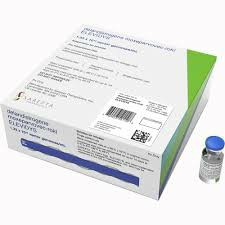
Adenovirus (AAV rh74)-based gene therapy (delandistrogene moxeparvovec-rokl) is an innovative gene therapy based on adeno-associated virus (AAV rh74) vector, used to treat Duchenne muscular dystrophy (DMD) patients with specific gene mutations. As a one-time intravenous injection treatment option, while it brings hope for efficacy, it also has a series of precautions that deserve great attention, involving screening and evaluation, immune response, postoperative monitoring, contraindications, and long-term follow-up.
First, pre-treatment screening evaluation is crucial. Not all DMD patients are suitable for this gene therapy, and only those who meet certain criteria may benefit from it. Detailed genetic testing is required before treatment to confirm that the patient carries the type of mutation that can be repaired by microdystrophin; at the same time, AAV rh74 neutralizing antibody screening is also required. If antibodies to the viral vector already exist in the body, it may reduce the efficiency of gene delivery or even trigger a severe immune reaction. In addition, the treatment is only suitable for children aged 4 to 5 years old, and they must receive treatment when their muscles still have a certain functional reserve to maximize the effect.
Secondly, immune system management and hormonal intervention are important links in the treatment process. Since the AAV viral vector may be recognized as a "foreign invader" by the immune system, corticosteroids (such as prednisone) need to be used for pretreatment and maintenance before and after treatment to suppress potential inflammatory responses. Medication is usually started one day before the infusion before treatment, and is continued for several weeks or even longer after treatment, and the hormone dose needs to be dynamically adjusted according to changes in liver enzymes and other indicators. Hormone therapy may cause some side effects, such as weight gain, elevated blood sugar, sleep disorders, etc. Family members should closely cooperate with doctors in management.
Third, liver function monitoring is the focus of postoperative management. AAVThe vector is mainly recognized, transcribed and cleared in the liver, so liver function is one of the most susceptible organs. It is common for transaminase (ALT, AST) to increase after treatment. Some children need to extend hormone treatment or adjust the dose under the guidance of a doctor to alleviate the problem. Although serious liver function abnormalities are uncommon, they must be detected and dealt with promptly through regular blood tests. It is recommended to conduct liver function tests every week after treatment, and the duration can be as long as 1 to 3 months depending on individual circumstances.
In addition, attention should also be paid to the functions of other organs such as the heart and kidneys. Although the therapy primarily works on skeletal muscles, it may affect other systems through the bloodstream. Individual patients have reported heart rate changes, proteinuria, or increased creatinine after treatment. Therefore, basic assessments such as electrocardiography, echocardiography, and renal function tests need to be performed before treatment, and regular follow-up after treatment is required to ensure that there is no risk of delayed injury.
In addition, treatment must be carried out in an experienced medical center with emergency response capabilities. Because acute allergic reactions, fever, nausea, vomiting, hypotension, etc. may occur during the treatment, it must be operated by a medical team familiar with the gene therapy process. On the day of treatment and for several hours afterwards, patients need to be closely observed in the medical institution so that if any adverse events occur, they can be dealt with as soon as possible.
In terms of home care, family members also need to pay attention to cooperating with the doctor's long-term management plan. This includes taking the children for follow-up examinations on time, monitoring changes in daily physical signs, recording medication status, paying attention to diet and psychological counseling, etc. At the same time, attention should also be paid to avoid recent vaccination of live vaccines in children, so as not to affect the immune system or conflict with hormones.
Finally, it needs to be made clear that delandistrogene moxeparvovec-rokl is not a radical cure, but a genetic intervention method that can delay the progression of the disease. Even if treatment is successful, patients still need rehabilitation training, auxiliary medication and regular follow-up visits. Its long-term efficacy and safety are still undergoing further observation and research around the world.
To sum up, delandistrogene moxeparvovec-rokl, as a breakthrough gene therapy, brings unprecedented hope to DMD patients, but it is also accompanied by strict indication requirements and complex medical management processes. Before deciding to receive treatment, patients and their families should fully understand the relevant risks and precautions, fully communicate with professional doctors, and formulate a scientific, comprehensive, and individualized treatment plan to maximize the safety and effectiveness of treatment.
References:
https://www.fda.gov/drugs/drug-approvals-and-databases/delandistrogene-moxeparvovec-rokl
[ 免责声明 ] 本页面内容来自公开渠道(如FDA官网、Drugs官网、原研药厂官网等),仅供持有医疗专业资质的人员用于医学药学研究参考,不构成任何治疗建议或药品推荐。所涉药品可能未在中国大陆获批上市,不适用于中国境内销售和使用。如需治疗,请咨询正规医疗机构。本站不提供药品销售或代购服务。


