
.jpeg)
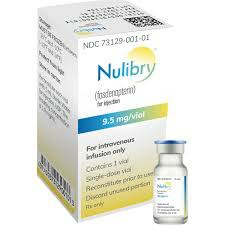
Fosdenopterin Latest Instructions for Use
Indications
Fosdenopterin (trade name: Nulibry®) is mainly used to treat A molybdenum cofactor deficiency (MoCD-A). This disease is an extremely rare autosomal recessive genetic disease. The patient's body is caused by the deficiency of three molybdenum-dependent enzymes: sulfite oxidase (SOX), xanthine dehydrogenase and acetaldehyde dehydrogenase.
Mechanism of action
Molybdenum cofactor deficiency (MoCD) is caused by mutations in the MOCS1 gene, resulting in MOCS1A/B protein defects. This protein is responsible for the initial step in the synthesis of molybdenum cofactor - the conversion of guanosine triphosphate (GTP) into cyclic guanine pyranylphosphate (cPMP). Due to the disorder in the production of cPMP, molybdenum cofactor cannot be synthesized, resulting in the loss of activity of enzymes that rely on molybdenum cofactor (such as SOX). SOXThe lack of SOX prevents the neurotoxic metabolite sulfite from being metabolized, causing its accumulation in the body, causing rapid and sustained neurological damage, ultimately leading to brain damage, epileptic seizures, and early death.
Fosdenopterin replaces the endogenous product through exogenous supplementationcPMP, thereby restoring the synthesis of molybdenum cofactor and improving the clinical symptoms and prognosis of patients.
Medication method
Fosdenopterin is administered by intravenous infusion, and the specific dosage is adjusted according to the patient's age and weight:
Age <1 years old: The dose needs to be adjusted individually based on weight and condition. Usually the starting dose is lower and needs to be determined after evaluation by a professional doctor.
Age≥1 years: The recommended dose is 0.9mg/kg (based on actual body weight), once daily.
Premature infants (<37 weeks): Initial dose is 0.4mg/kg, day 1month is adjusted to 0.7mg/kg, and the 3 month is adjusted to 0.9mg/kg.
Term infants (≥37 weeks): Initial dose is 0.55mg/kg, day 1 month is adjusted to 0.75mg/kg, and the 3 month is adjusted to 0.9mg/kg.
side effects
Fosdenoprin may cause the following side effects:
Infusion-related reactions: Infusion catheter-related complications (such as local infection, thrombosis or phlebitis), fever, chills, fatigue, etc.
Infectious complications: viral infections (eg, upper respiratory tract infection, pneumonia), bacteremia, may be related to immune suppression or infusion procedures.
Gastrointestinal reactions: vomiting and diarrhea, which may lead to dehydration or electrolyte imbalance. Timely replenishment of water and electrolytes is required.
Respiratory system reactions: Coughing and sneezing may be symptoms of upper respiratory tract infection.
Other systemic reactions: Otitis media, possibly related to immunocompromise or increased risk of infection.
Cardiovascular system reactions: hypotension, arrhythmia, electrocardiogram changes need to be closely monitored.
Hematological reactions: anemia, thrombocytopenia, increased risk of bleeding, and the need for platelet transfusion needs to be evaluated.
Allergic reactions: rash, itching, mild allergic reactions can be relieved by antihistamines; severe allergic reactions (such as anaphylactic shock) require immediate discontinuation of medication and emergency treatment.
Warnings and precautions
Fosdenoprin may increase photosensitivity. Patients should avoid prolonged exposure to the sun and take protective measures (such as using sunscreen and wearing protective clothing).
BecauseMoCD-A is a rare disease, the long-term safety data of fosdenopterin are still limited, and the patient's growth and development, metabolic indicators and potential complications need to be continuously monitored. During treatment, the patient's vital signs, infection indicators, and adverse drug reactions need to be evaluated regularly. If serious side effects occur, the dose needs to be adjusted or treatment suspended according to the condition.
drug interactions
There are currently few studies on specific drug interactions with Fosdenopterin, but as an alternative therapy for molybdenum cofactor deficiency, its metabolic pathway may not involve common liver drug enzymes (such asCYP450enzyme system), so the risk of interaction with other drugs may be low, but it still needs to be used under the guidance of a professional doctor.
Medication for special populations
Children, pregnant women and lactating women should use this medication with caution.
Reference materials:https://nulibry.com/
[ 免责声明 ] 本页面内容来自公开渠道(如FDA官网、Drugs官网、原研药厂官网等),仅供持有医疗专业资质的人员用于医学药学研究参考,不构成任何治疗建议或药品推荐。所涉药品可能未在中国大陆获批上市,不适用于中国境内销售和使用。如需治疗,请咨询正规医疗机构。本站不提供药品销售或代购服务。


