
.jpeg)
How does belinostat work and how effective is it in treating peripheral T-cell lymphoma (PTCL)?
Belinostat (belinostat, formerly known as PXD-101) has attracted much attention in the field of cancer treatment as a drug for the treatment of peripheral T-cell lymphoma (PTCL) that has relapsed or failed to respond to standard treatments. Lymphoma is a blood cancer that forms tumors due to uncontrolled proliferation of lymphocytes. There are many types, and its treatment has always been a medical problem.
Belinostat is a histone deacetylase inhibitor. Histone deacetylase has multiple functions in cells. It can change proteins that affect DNA accessibility, thereby controlling the expression of genes in cellular DNA. It can also modify other important proteins such as signaling proteins and DNA repair proteins. Although the exact mechanism of belinostat in cancer treatment is not fully understood, the mainstream view is that it interferes with the gene expression regulation of cancer cells by preventing the function of histone deacetylase, thereby preventing the growth of cancer cells and killing them. Moreover, although belinostat also affects healthy cells, it preferentially targets cancer cells, making it possible to treat cancer.
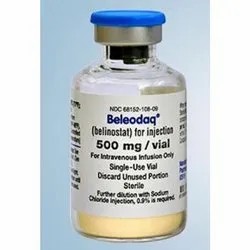
The FDA approved belinostat in July 2014 based on a key phase 2 clinical trial, the BELIEF trial. The trial was an open-label study of 129 patients with PTCL who had received at least one prior therapy. Patients received belinostat intravenously for 30 minutes on days 1 to 5 every three weeks until cancer progressed or treatment-related toxicity occurred. The results showed that the overall response rate was 26% to 28%, slightly higher than the 25% to 27% of previous treatments. Patients experienced response after an average of 5.6 weeks on belinostat, and the median duration of response was 8.3 months.
In short, belinostat brings new treatment hope to patients with peripheralT-cell lymphoma through its unique principle of action. Although its overall response rate is not extremely high, it still shows a certain efficacy in patients who have relapsed or failed to respond to standard treatments, providing strong support for improving patients' survival conditions and quality of life. As research continues to deepen, it is believed that belinostat will play a greater role in the field of cancer treatment.
Reference materials:https://www.drugs.com/search.php?searchterm=BELEODAQ
[ 免责声明 ] 本页面内容来自公开渠道(如FDA官网、Drugs官网、原研药厂官网等),仅供持有医疗专业资质的人员用于医学药学研究参考,不构成任何治疗建议或药品推荐。所涉药品可能未在中国大陆获批上市,不适用于中国境内销售和使用。如需治疗,请咨询正规医疗机构。本站不提供药品销售或代购服务。


