
.jpeg)
What is the efficacy of adenovirus (AAV rh74)-based gene therapy?
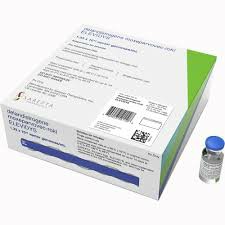
Adenovirus (AAV rh74)-based gene therapy (delandistrogene moxeparvovec-rokl) is one of the cutting-edge gene therapies currently used to treat Duchenne muscular dystrophy (DMD), and its efficacy has shown certain positive results in multiple clinical trials. This therapy injects an AAV rh74 viral vector carrying a microdystrophin gene into the patient, allowing muscle cells to resynthesize functional proteins, thereby slowing down the rate of muscle degeneration. Studies have shown that microdystrophin protein expression can be detected in most patients after treatment, and the protein levels are much higher than those in the untreated control group.
In a clinical study led by Sarepta (Study SRP-9001-102), DMD children undergoing treatment 6 After one month, their muscle function score (NSAA score) improved by more than 4 points on average, which was significantly better than the improvement in the placebo group. This result shows that delandistrogene moxeparvovec-rokl can not only promote the expression of functional proteins in muscle cells, but may also improve children's motor abilities in the short term, such as standing, walking, climbing stairs and other daily functional performances.
It is important to note that one of the greatest advantages of this therapy is that it can produce sustained effects from a single administration. Research data shows that some patients still maintain stable muscle function and show no signs of serious deterioration two years after treatment. However, because gene therapy is still an emerging field, there is still a lack of long-term follow-up data to evaluate its sustained efficacy and potential risks for more than 10 years. Therefore, patients and their families need to view treatment expectations rationally when making decisions.
In addition, the performance of efficacy is also significantly affected by individual differences. Different patients have differences in gene mutation type, age, disease stage and immune status, which will affect gene transduction efficiency and protein expression levels. Therefore, delandistrogene moxeparvovec-rokl is not a "universal antidote", but as a major breakthrough in the current DMD treatment field, it provides an important new option for delaying the progression of the disease and improving the quality of life. More large-scale, long-term studies are needed in the future to further verify its broad applicability and ultimate therapeutic value.
References:
https://www.fda.gov/drugs/drug-approvals-and-databases/delandistrogene-moxeparvovec-rokl
[ 免责声明 ] 本页面内容来自公开渠道(如FDA官网、Drugs官网、原研药厂官网等),仅供持有医疗专业资质的人员用于医学药学研究参考,不构成任何治疗建议或药品推荐。所涉药品可能未在中国大陆获批上市,不适用于中国境内销售和使用。如需治疗,请咨询正规医疗机构。本站不提供药品销售或代购服务。


