
.jpeg)
Complete guide on usage and dosage of Apremilast/Apremilast tablets in one article!
Apremilast tablets are a drug widely used in the treatment of immune system-mediated diseases, especially plaque psoriasis and psoriatic arthritis (PSA). Its main mechanism of action is to regulate the immune system by inhibiting phosphodiesterase 4 (PDE4), thereby alleviating inflammation caused by immune responses. Clinically, the use of apremilast has been widely recognized, especially in terms of its usage method and dosage arrangement, and strict standards have been established to ensure that patients can obtain the best therapeutic effect and reduce side effects.
1. Indications
Apremilast is mainly used to treat two types of diseases:
1. Active psoriatic arthritis: Suitable for adults. Such patients usually present with joint pain, swelling and limited movement. Apremilast improves patients' quality of life by modulating immune responses and reducing joint inflammation and symptoms.
2. Moderate to severe plaque psoriasis: Apremilast is suitable for adult patients who do not respond well to conventional treatments (such as topical drugs, phototherapy). By regulating the skin's immune response, Apremilast helps relieve skin lesions and reduce the symptoms of psoriasis.
2. Usage and dosage
1. Recommended dose: The recommended dose of Apremilast is usually 30 milligrams (mg) twice a day. In order to reduce the gastrointestinal discomfort that may be caused by the initial use of the drug, doctors will recommend gradually increasing the dose based on the patient's specific condition. Typically, Apremilast is administered by gradually increasing the dose until the recommended regular dose is reached. This gradual dose increase can help patients gradually adapt to the drug and reduce the possibility of side effects.
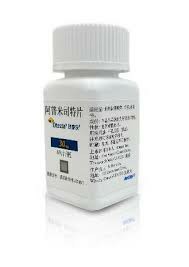
dose escalation protocol
DayDay 1: 10 mg in the morning;
Day Day 2: 10 mg in the morning and 10 mg in the evening;
Day Day 3: 10 mg in the morning and 20 mg in the evening;
Day Day 4: 20 mg in the morning and 20 mg in the evening;
Day Day 5: 20 mg in the morning and 30 mg in the evening;
Day Day 6 and beyond: 30 mg in the morning and 30 mg in the evening.
Through this gradual increase in dosage, patients can reduce the occurrence of side effects such as gastrointestinal discomfort in the early stages of treatment until the final standard therapeutic dosage is reached.
2. Dose adjustment in patients with severe liver damage
The dosage of Apremilast requires special attention in patients with severe hepatic impairment. Patients with severe hepatic impairment may not be able to tolerate standard doses; therefore, the recommended dose should be reduced to 30 mg and taken only once daily. For such patients, regular monitoring of liver function is crucial, and doctors will adjust the treatment plan according to the patient's specific situation to ensure the safety of the drug.
3. Administration methods and precautions
Apremilast is an oral medication that is usually recommended for patients to take on schedule and does not need to be taken with food. To reduce gastrointestinal discomfort, patients are advised to take the medication after meals. The medication should be taken according to the doctor's prescription and strictly in accordance with the dosage and medication time.
Patients should have regular medical examinations while taking Apremilast, especially during the first few months after starting treatment. It is very important to regularly evaluate the patient's liver function, renal function, and drug side effects. Especially for patients with poor liver function, more caution is needed, and the dose can be adjusted or the treatment plan changed if necessary.
Reference materials:https://go.drugbank.com/drugs/DB05676
[ 免责声明 ] 本页面内容来自公开渠道(如FDA官网、Drugs官网、原研药厂官网等),仅供持有医疗专业资质的人员用于医学药学研究参考,不构成任何治疗建议或药品推荐。所涉药品可能未在中国大陆获批上市,不适用于中国境内销售和使用。如需治疗,请咨询正规医疗机构。本站不提供药品销售或代购服务。


