
.jpeg)
A complete inventory of the side effects and efficacy of Apremilast/Apremilast tablets, a must-read before taking the medication!
Apremilast is an oral small molecule drug mainly used to treat plaque psoriasis and psoriatic arthritis (PSA). It regulates the immune system by inhibiting phosphodiesterase-4 (PDE4) to reduce inflammatory responses. In recent years, the application of Apremilast has gradually expanded in clinical practice, but it also has certain side effects, and patients need to pay attention when using it.
1. Overview of efficacy
The mechanism of action of Apremilast is by inhibitingPDE4, preventing the degradation of cyclic adenosine monophosphate (cAMP), thereby enhancing cAMP levels in immune cells. This process modulates the immune response and reduces the production of inflammation-related cytokines such as tumor necrosis factor alpha, interleukin-23, and interleukin-17, and therefore has therapeutic potential in a variety of immune-mediated diseases. Clinical studies have shown that Apremilast has achieved significant efficacy in the treatment of psoriasis, rheumatoid arthritis, ankylosing spondylitis and chronic plaque psoriasis. For patients with psoriasis, Apremilast can significantly reduce the area of u200bu200bskin damage and relieve symptoms; for patients with rheumatoid arthritis, Apremilast can effectively reduce joint inflammation and pain and improve joint function.
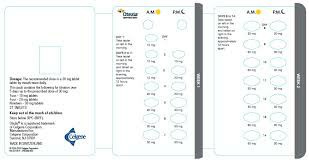
2. Common side effects
Although Apremilast is effective in treating immune system diseases, its side effects cannot be ignored. The most common side effects include gastrointestinal reactions, headache, and upper respiratory tract infection. Specifically, gastrointestinal symptoms that Apremilast may cause include nausea, diarrhea, and abdominal pain. These side effects usually occur early in treatment and most patients will gradually adapt as treatment continues.
In addition, headaches and upper respiratory tract infections are also common side effects of Apremilast. Headaches are generally mild to moderate and can usually be relieved by adjusting your treatment regimen or using pain medications. Upper respiratory tract infection presents with symptoms such as sore throat, cough, and nasal congestion. Patients should seek medical treatment promptly when these symptoms occur and monitor changes in their condition.
Reference materials:https://go.drugbank.com/drugs/DB05676
[ 免责声明 ] 本页面内容来自公开渠道(如FDA官网、Drugs官网、原研药厂官网等),仅供持有医疗专业资质的人员用于医学药学研究参考,不构成任何治疗建议或药品推荐。所涉药品可能未在中国大陆获批上市,不适用于中国境内销售和使用。如需治疗,请咨询正规医疗机构。本站不提供药品销售或代购服务。


