
.jpeg)
Guanfacine administration methods and dosage
Guanfacine is a selective α2 adrenoceptor agonist, mainly used to treat attention deficit hyperactivity disorder (ADHD). When using guanfacine, the usage and dosage of the drug are crucial. Following a reasonable medication regimen can effectively reduce side effects and improve efficacy.
1. Medication management: Patients should swallow the capsules whole and avoid crushing, chewing or breaking the tablets, as this will significantly increase the release rate of guanfacine, which may lead to a sudden increase in drug concentration and increase the risk of side effects. In addition, you should avoid taking it with high-fat foods, because high-fat foods will affect the absorption of the drug and may lead to unstable drug effects.
2. In terms of dose selection, for adults and children (6-17 years old), the recommended starting dose is 1 mg/day, which can be gradually adjusted according to the patient's tolerance and clinical response. Adjustment increments should not exceed 1 mg/week. Studies have shown that in clinical trials of monotherapy, dose is related to clinical improvement and the risk of adverse reactions (such as hypotension, bradycardia, etc.). Therefore, the following dosage ranges are recommended for patients of different weights: for patients weighing 25-33.9 kg, the daily dose is 2-3 mg; for patients weighing 34-41.4 kg, the daily dose is 2-4 mg; 41.5-49. For patients 4 kg, the daily dose is 3-5 mg; for patients 49.5-58.4 kg, the daily dose is 3-6 mg; for patients 58.5-91 kg, the daily dose is 4-7 mg; for patients over 91 kg, the daily dose is 5-7 mg.
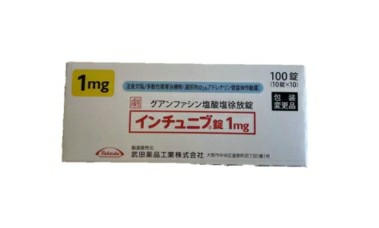
3. Maintenance treatment is an important part of guanfacine application. ADHD often requires long-term medication, so medical providers should regularly evaluate patients' treatment, including medication effectiveness and tolerability, and adjust dosages if necessary based on weight and clinical manifestations. For patients already maintained at target doses, clinical monitoring is particularly important to ensure the safety and effectiveness of the drug.
It is worth noting that patients must be cautious if they need to interrupt the use of guanfacine during treatment. Patients may experience fluctuations in blood pressure and heart rate after stopping the medication and should not stop taking the medication without consulting their healthcare provider. When it is necessary to reduce the dose or discontinue the drug, it is recommended to reduce the daily dose by no more than 1 mg, and monitor blood pressure and pulse every 3 to 7 days to reduce the risk of rebound hypertension.
If a patient does not take their medication on time, the missed dose needs to be dealt with appropriately. If the patient misses two or more doses in a row, appropriate dose adjustments based on the patient's tolerance should be considered when re-administering the previous maintenance dose to ensure the continuity and effectiveness of drug therapy.
To sum up, the administration method and dose adjustment of guanfacine need to be personalized according to the individual differences of patients. Close communication between doctor and patient, as well as timely assessment of drug response, are keys to ensuring successful treatment. During the treatment process, patients should proactively report any discomfort after taking the medication to their medical provider so that timely adjustments and interventions can be made.
Reference materials:https://www.mayoclinic.org/drugs-supplements/guanfacine-oral-route/description/drg-20064131
[ 免责声明 ] 本页面内容来自公开渠道(如FDA官网、Drugs官网、原研药厂官网等),仅供持有医疗专业资质的人员用于医学药学研究参考,不构成任何治疗建议或药品推荐。所涉药品可能未在中国大陆获批上市,不适用于中国境内销售和使用。如需治疗,请咨询正规医疗机构。本站不提供药品销售或代购服务。


