
.jpeg)
Contraindications for the use of ruxolitinib cream: Which groups are not suitable for use, and what matters need to be paid special attention to during use?
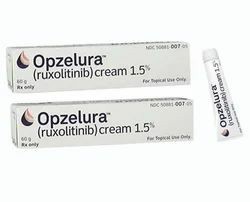
Ruxolitinib cream (Opzelura) is a topical Janus kinase (JAK) inhibitor used to treat skin lesions caused by immune-mediated skin diseases such as atopic dermatitis (eczema) and psoriasis. Although ruxolitinib cream is effective in relieving symptoms and improving skin conditions in many patients, there are certain people or conditions where this medication is not suitable. The contraindications of ruxolitinib cream and matters requiring special attention during use are discussed in detail below.
1. Contraindications
Ruxolitinib cream is not suitable for everyone. The following people should avoid using this drug:
Patients allergic to ruxolitinib or its components: If patients have a known allergic reaction to any component of ruxolitinib cream, this medication should be avoided. Allergic reactions may include rash, difficulty breathing, facial swelling, etc. If these symptoms occur, you should stop using the medication immediately and seek medical help.
Pregnant and Nursing Women: The safety of ruxolitinib cream has not been adequately studied for use in pregnant and nursing women. Although absorption of topical medications is low, to ensure the safety of mother and baby, pregnant and breastfeeding women should avoid using this medication unless their doctor feels that the benefits of the medication clearly outweigh the potential risks.
Patients with suppressed immune systems: Ruxolitinib is an immunosuppressant that affects the function of the immune system by inhibiting the JAK pathway. Therefore, use of this drug may increase the risk of infection in patients with compromised immune systems (such as those receiving immunosuppressive therapy or patients with immunodeficiency diseases).
2. Precautions when using
Even if some patients are able to use ruxolitinib cream, special attention should be paid to the following aspects:
Skin lesions: Ruxolitinib cream should be applied only to affected skin areas and avoid application to the eyes, mouth, and other mucous membranes. If medication accidentally comes into contact with these areas, they should be flushed immediately with water. If allergic or irritant reaction occurs, discontinue use and seek medical attention.
Risk of local infection: Because ruxolitinib cream may suppress the immune response, long-term use may increase the risk of local infection. Patients should pay attention to the health of their skin while using the drug and avoid application to broken or infected areas. In addition, if redness, swelling, discharge or signs of infection appear on the skin, you should stop using it immediately and consult your doctor whether anti-infective treatment is needed.
Interactions with Other Drugs: Although ruxolitinib cream has less systemic absorption, there may still be a risk of drug interactions when used for long periods of time or over large areas. Patients should inform their doctor if they are taking other immunosuppressive drugs or topical drugs (such as steroids) to avoid adverse reactions or counteracting effects.
Risks of long-term use: Although ruxolitinib cream works better in short-term use, long-term use may cause side effects such as skin atrophy, pigmentation, or other skin problems. It is necessary to regularly evaluate the efficacy during use and pay attention to the long-term effects of the drug on the skin.
3. Precautions for use by special groups
Elderly: Older adults often have thinner skin and weaker immune function and need to be more careful when using ruxolitinib cream. If the elderly suffer from other systemic diseases (such as diabetes, cardiovascular disease, etc.), they may have an increased risk of adverse reactions or adverse drug effects when using drugs. Adequate evaluation should be carried out before use and the effects and side effects of the drug should be regularly monitored.
Children: The use of ruxolitinib cream in children should be based on physician advice. Although this drug has shown efficacy in some pediatric patients, children may have different reactions and risks when using it because their immune systems and skin characteristics are different from those of adults. Caution must be exercised when using ruxolitinib in children, especially younger children.
4. Drug withdrawal and emergency treatment
If serious side effects occur when using ruxolitinib cream, such as severe allergic reactions, local infections, or abnormal skin reactions, you should stop using it immediately and seek medical treatment in time. For pregnant women, lactating women, or patients with suppressed immune systems, discontinuation of the drug or an alternative treatment regimen may need to be considered if the potential risks are considered.
In conclusion, although ruxolitinib cream has significant efficacy in the treatment of immune-mediated skin diseases such as atopic dermatitis, it is not suitable for all patients. Pregnant women, people with compromised immune systems, and patients with allergies need to be particularly careful, strictly follow the doctor's instructions when using it, and undergo regular examinations to avoid adverse reactions.
Reference materials:https://www.opzelura.com/
[ 免责声明 ] 本页面内容来自公开渠道(如FDA官网、Drugs官网、原研药厂官网等),仅供持有医疗专业资质的人员用于医学药学研究参考,不构成任何治疗建议或药品推荐。所涉药品可能未在中国大陆获批上市,不适用于中国境内销售和使用。如需治疗,请咨询正规医疗机构。本站不提供药品销售或代购服务。


