
.jpeg)
What are the adverse reactions of Apelix? Common side effects and mitigation measures
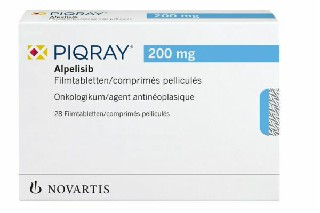
Alpelisib (Alpelisib) is an oral, selective PI3K inhibitor, mainly used to treat patients with PIK3CA gene mutations and HR-positive, HER2-negative advanced or metastatic breast cancer. As a targeted drug, Apelvis reduces the proliferation and growth of cancer cells by inhibiting the PI3K signaling pathway, thereby inhibiting the development of tumors. However, like other anticancer drugs, Apelvis may cause certain adverse effects. Patients need to understand common side effects and take corresponding mitigation measures during treatment.
Common side effects
1.Hyperglycemia: Hyperglycemia is one of the most common side effects during Apelvis treatment. By inhibiting the PI3K pathway, Apelvis may affect insulin secretion and metabolism, leading to an increase in blood sugar levels. Clinical studies have shown that hyperglycemia occurs commonly in patients treated with Apelvis, and the risk is particularly higher in patients with diabetes mellitus. Symptoms of elevated blood sugar include thirst, frequent urination, and fatigue.
Mitigation measures: For patients with elevated blood sugar, blood sugar levels should be assessed before treatment and blood sugar should be monitored regularly during treatment. For patients with severe symptoms of hyperglycemia, doctors may adjust the drug dosage or give antidiabetic drug treatment if necessary. In addition, patients need to maintain healthy eating habits, reduce sugar intake, and increase physical activity.
2.Skin rash: Rash is a common side effect when using Apelvis, usually manifesting as mild to moderate erythema, itching or dryness. Some patients may experience more serious skin reactions, such as skin peeling or blistering.
Relief measures: For most people with rashes, symptoms are usually mild and can be relieved by applying topical ointments or using antihistamines. For severe rashes, it may be necessary to suspend drug use and take treatment measures under the guidance of a doctor. During this period, patients should avoid using harsh skin care products that may aggravate skin reactions.
3.Diarrhea: Apelvis may cause diarrhea, usually with mild to moderate symptoms. Diarrhea not only affects the patient's quality of life, but may also lead to dehydration, malnutrition and other problems.
Relief measures: To relieve diarrhea, patients can take some preventive measures, such as avoiding greasy and spicy foods and maintaining adequate fluid intake to prevent dehydration. If diarrhea is severe or lasts longer than 24 hours, your doctor may recommend antidiarrheal medication. In addition, patients need to regularly monitor changes in weight and body fluids to ensure there are no electrolyte imbalances caused by diarrhea.
4.Nausea and Vomiting: Some patients may experience nausea and vomiting while taking Apelvis, which is usually related to irritation of the gastrointestinal tract by the drug.
Relief measures: To reduce nausea and vomiting, patients can take the medication with or immediately after a meal to avoid using the medication on an empty stomach. Your doctor may also recommend anti-nausea medications to relieve symptoms. If nausea and vomiting persist or worsen, patients should communicate with their doctor as soon as possible to adjust the treatment plan or provide symptomatic treatment.
5.Abnormal liver function: Apelvis may cause damage to liver function, manifested by elevated transaminases (such asALT, AST). Liver function abnormalities are common at the beginning of treatment, but most patients will improve after the adaptation period.
Mitigation measures: The patient's liver function should be assessed before treatment, and liver function indicators should be monitored regularly. For patients with mildly elevated liver function, medication can usually be continued with close observation. If severe liver function abnormalities occur, your doctor may reduce the dose of the drug or temporarily stop it until liver function returns to normal.
Other side effects
Leukopenia: Apelvis may cause a decrease in white blood cell counts, especially with long-term use. A decrease in white blood cells increases a patient's risk for infection.
1. Mitigation measures: During treatment, patients should regularly monitor blood routine, especially white blood cell count. If a decrease in white blood cells is found, the doctor may suspend or adjust the dose of the drug and give anti-infective treatment according to the situation.
2.Fatigue: Patients may feel fatigue when receiving Apelvis treatment, which affects daily life and work. Fatigue may be caused by the medication itself or may be related to the effects of the disease itself.
Relief measures: To relieve fatigue, patients should maintain adequate rest and avoid overexertion. Proper exercise and good sleep quality can also help relieve fatigue.
3. Decreased appetite: Decreased appetite is another common side effect that may cause patients to lose weight.
Mitigation measures: In order to improve appetite, patients can choose to eat high-calorie, high-nutrient-dense foods, such as protein-rich foods, healthy fats, etc. Your doctor may recommend nutritional supplements or gastrointestinal support therapy.
Apelix has shown significant efficacy in the treatment of patients with advanced breast cancer harboring PIK3CA mutations, but it is also accompanied by certain side effects. While taking Apelvis, patients should regularly monitor blood sugar, liver function, white blood cell count and other indicators, and pay attention to controlling common side effects, such as hyperglycemia, rash, diarrhea, nausea, abnormal liver function, etc. By closely communicating with doctors and adjusting treatment plans, patients can minimize side effects and improve treatment effects.
Reference materials:https://www.piqray.com/
[ 免责声明 ] 本页面内容来自公开渠道(如FDA官网、Drugs官网、原研药厂官网等),仅供持有医疗专业资质的人员用于医学药学研究参考,不构成任何治疗建议或药品推荐。所涉药品可能未在中国大陆获批上市,不适用于中国境内销售和使用。如需治疗,请咨询正规医疗机构。本站不提供药品销售或代购服务。


