
.jpeg)
Which first-line drug does selumetinib belong to? Positioning and applicable stages in the treatment plan
Selumetinib is a MEK inhibitor that mainly interferes with the growth and proliferation of tumor cells by inhibiting the RAS/RAF/MEK/ERK signaling pathway. In clinical application, selumetinib is currently mainly used to treat pediatric patients with neurofibromatosis type 1 (NF1), especially cases with symptomatic plexiform neurofibromas. Due to its relatively special indications, it has not been widely listed as a conventional first-line or second-line drug in most solid tumor treatment systems. Instead, it plays a role in specific molecular characteristics and rare conditions.
In the treatment plan, selumetinib is positioned more specifically and is not a broad-spectrum anti-cancer drug. Taking the U.S. FDA's approval as an example, selumetinib is approved for the treatment of pediatric patients 2 years and older with NF1 and unresectable plexiform neurofibromas. For other solid tumors such as lung cancer, melanoma or thyroid cancer, selumetinib is still in clinical trials and has not yet become a standard option for mainstream treatment. Therefore, it is usually not used as a routine first- or second-line drug in mainstream cancer treatment regimens.
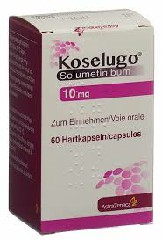
From the perspective of treatment stage, selumetinib is more suitable for the mid-to-late treatment stage when NF1 is diagnosed with plexiform neurofibroma and surgery is not feasible or there are major risks. The main goals of its use are to reduce tumor size, relieve compression symptoms, or improve quality of life. Compared with traditional radiotherapy, chemotherapy or surgery, selumetinib provides a new treatment method targeting gene pathways, which is especially suitable for patients who are not suitable for traditional treatments.
In general, selumetinib is a "precision treatment" drug for specific diseases and special patient groups. Its positioning in common cancers is still in the exploratory stage. With the development of molecular targeted therapy and the advancement of more clinical studies, the scope of application of selumetinib in other diseases related to RAS/RAF pathway abnormalities may gradually expand in the future. However, its current use is still relatively limited and is mainly used for the mid-to-late treatment of tumors related to specific genetic diseases.
Reference materials:https://www.koselugo.com
[ 免责声明 ] 本页面内容来自公开渠道(如FDA官网、Drugs官网、原研药厂官网等),仅供持有医疗专业资质的人员用于医学药学研究参考,不构成任何治疗建议或药品推荐。所涉药品可能未在中国大陆获批上市,不适用于中国境内销售和使用。如需治疗,请咨询正规医疗机构。本站不提供药品销售或代购服务。


