
.jpeg)
Usage and dosage of crizotinib/Xalkori: How to use medicine scientifically to improve efficacy
Crizotinib is a targeted therapy drug mainly used to treat patients with metastatic non-small cell lung cancer (NSCLC) with ALK (anaplastic lymphoma kinase) or ROS1 gene mutations. In addition, it is also used to treat ALK-positive anaplastic large cell lymphoma (ALCL) and ALK-positive inflammatory myofibroblastic tumor (IMT). Crizotinib inhibits the growth of cancer cells caused by these mutated genes, preventing further tumor expansion.
For adult patients, the recommended dose of crizotinib is 250 mg orally twice daily. Patients can take medicine on time according to their personal condition and doctor's instructions. Crizotinib is not affected by food and can be taken before or after meals. Patients should avoid chewing, crushing, or splitting the capsules as this may affect the release and absorption of the medication. The drug should be continued until disease progression or unacceptable side effects occur until discontinued.
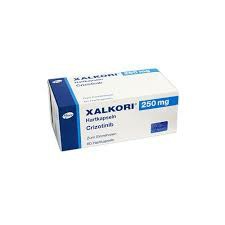
For pediatric and adolescent patients, dosage is adjusted based on body surface area (BSA). The recommended dose is 280 mg/m2 taken orally twice daily. For patients who are unable to swallow capsules, crizotinib is also available in granular form, which patients can use as needed. The recommended dose of granules is 250 mg taken orally twice daily, which is equivalent to 2 tablets of 50 mg and 1 tablet of 150 mg. This dosage form is suitable for those patients who have difficulty swallowing to ensure that the medication is fully absorbed.
In terms of medication management, special attention is required when taking crizotinib. If the patient misses a dose, it should be taken as soon as possible, provided that the next dose is less than 6 hours away. If it is almost time for the next dose, patients should skip the missed dose and take the next dose on time. If vomiting occurs after taking the drug, the patient should not take the additional dose but continue with the next dose as originally planned.
In addition to daily medication, patients should also pay attention to the side effects of crizotinib, especially drug-related liver function problems, gastrointestinal discomfort, and vision changes. Any side effects that occur should be reported to your doctor promptly and may require dose adjustment or treatment suspension. In addition, patients should undergo regular blood tests while taking the drug to monitor the metabolism of the drug and whether there are any adverse reactions.
Reference materials:https://go.drugbank.com/drugs/DB08865
[ 免责声明 ] 本页面内容来自公开渠道(如FDA官网、Drugs官网、原研药厂官网等),仅供持有医疗专业资质的人员用于医学药学研究参考,不构成任何治疗建议或药品推荐。所涉药品可能未在中国大陆获批上市,不适用于中国境内销售和使用。如需治疗,请咨询正规医疗机构。本站不提供药品销售或代购服务。


