
.jpeg)
Guanfacine Chinese instruction manual
1. Name:Guanfacine
Product name: Intuniv, インチュニプ
Other names: Guanfacine (transliteration)
2. Indications:
Guanfacine is indicated for the treatment of attention deficit hyperactivity disorder (ADHD), as monotherapy and as an adjunct to stimulant medications.
3. Usage and dosage:
1. Medication management: Swallow the tablet whole. Do not crush, chew, or break the tablets as this will increase the rate of guanfacine release. Do not take with high-fat foods as exposure may be increased.
2. Dosage selection: Take orally once a day, once in the morning and once in the evening, at roughly the same time. The starting dose is 1 mg/day, and the adjustment increment should not exceed 1 mg/week. In monotherapy clinical trials, there were dose- and exposure-related clinical improvements, as well as the risk of several clinically significant adverse reactions (hypotension, bradycardia, sedation events). To balance the potential benefits and risks associated with exposure, the recommended target dose range for guanfacine is 0.05-0.12 mg/kg/day (total daily dose between 1-7 mg) based on clinical response and tolerability. Doses exceeding 4 mg/day have not been evaluated in children (6-12 years) or 7 mg/day in adolescents (13-17 years);
For patients weighing 25-33.9kg, the dosage is 2-3mg/day; for patients weighing 34-41.4kg, the dosage is 2-4mg/day; for patients weighing 41.5-49.4kg, the dosage is 3-5mg /day; for patients weighing 49.5-58.4kg, the dosage is 3-6mg/day; for patients weighing 58.5-91kg, the dosage is 4-7mg/day; for patients weighing >91kg, the dosage is 5-7mg/day;
3. Maintenance treatment: ADHD may require long-term drug treatment. Healthcare providers should periodically reassess long-term use of guanfacine and adjust weight-based dosage as needed.
4. Treatment interruption: After discontinuing guanfacine, patients may experience increased blood pressure and heart rate. Patients/caregivers should be instructed not to stop injections without consulting their healthcare provider. Monitor blood pressure and pulse when dose is reduced or discontinued. Reduce the daily dose by no more than 1 mg every 3 to 7 days to minimize the risk of rebound hypertension.
5. Missed doses: When the patient is re-administered the previous maintenance dose after two or more consecutive missed doses, dose adjustment should be considered based on the patient's tolerance.
4. Adverse reactions:
In clinical studies of guanfacine, the most common side effects were drowsiness, headache, fatigue, and epigastric pain and sedation. Drowsiness usually begins at the beginning of treatment and lasts for 2 to 3 weeks. More serious side effects are less common and include low blood pressure and weight gain, slowed heart rate and fainting.
5. Supply and storage:
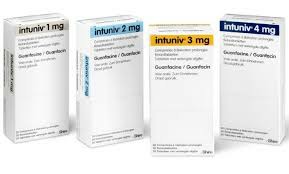
Guanfacine is available as extended-release tablets in 1 mg, 2 mg, 3 mg and 4 mg strengths, 100 tablets per bottle, and may be stored at 20°C to 25°C (68°F to 77°F); tolerances are 15°C to 30°C (59°F to 86°F).
6. Taboo:
This drug is contraindicated in patients with a history of allergic reaction to guanfacine or its inactive ingredients or other products containing guanfacine. Rash and pruritus have been reported clinically.
7. Mechanism of action:
Guanfacine is a selectiveα-2A adrenergic receptor agonist that reduces the effects of the sympathetic nervous system on the heart and circulatory system. The link between the molecular mechanisms of guanfacine and its therapeutic effects on ADHD has not yet been established.
Reference materials:https://dailymed.nlm.nih.gov/dailymed/drugInfo.cfm?setid=b972af81-3a37-40be-9fe1-3ddf59852528##
[ 免责声明 ] 本页面内容来自公开渠道(如FDA官网、Drugs官网、原研药厂官网等),仅供持有医疗专业资质的人员用于医学药学研究参考,不构成任何治疗建议或药品推荐。所涉药品可能未在中国大陆获批上市,不适用于中国境内销售和使用。如需治疗,请咨询正规医疗机构。本站不提供药品销售或代购服务。


