
.jpeg)
Analysis of the instructions for giritinib: guidance on usage, dosage and side effects
Gilteritinib, trade name Such mutations usually portend a poor prognosis, and patients have a higher recurrence rate after traditional chemotherapy, so the emergence of giritinib is regarded as a major breakthrough in treatment. The drug was approved by the US FDA in 2018 and is recommended as an important component of targeted therapy for AML.
In the instructions, the standard dose of gilitinib is 120 mg once daily.It is recommended to take it on an empty stomach or with food. This dose is based on recommendations from clinical trials weighing efficacy and safety. The efficacy should be continuously evaluated during treatment, and it is generally recommended to use it for at least 6 months to observe the disease response. During use, if serious adverse reactions occur, such as liver toxicity or severe bone marrow suppression, temporary discontinuation, dose reduction or permanent discontinuation may be considered. The specific decision should be made by the doctor based on the patient's clinical status.
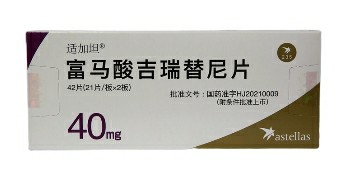
The side effects of giritinib require great attention, and the most common adverse events cover multiple systems. In terms of non-hematology, ≥10% of adverse reactions include abnormal liver function (increased ALT and AST), myalgia, arthralgia, fatigue, fever, nausea, vomiting, stomatitis, rash, diarrhea, edema, dyspnea, headache, etc. Although most of these side effects are mild to moderate, their continued occurrence will affect the patient's compliance and quality of life. Therefore, liver function, renal function, electrocardiogram (QT interval) and electrolyte levels need to be monitored regularly during treatment. Serious adverse events also include arrhythmia, pneumonia, pancreatitis, increased creatinine, and heart failure. Although the incidence is low, medical treatment should be sought immediately once they occur.
Another issue that requires vigilance with giritinib isQT interval prolongation, which is a potentially fatal risk of abnormal heart rhythms. Therefore, it is recommended to conduct regular electrocardiogram checks when using this drug and avoid combining it with other drugs that can prolong the QT interval. In addition, giritinib may also inhibit platelet production or cause neutropenia, increasing the risk of infection, especially when the patient's basic bone marrow function has been damaged, which requires closer attention.
It should be emphasized that giritinib is a targeted drug and is only suitable for AML patients with positive FLT3 mutations. Therefore, FLT3 mutation testing must be performed before treatment. The current mainstream detection methods include PCR and next-generation sequencing (NGS) technology. If the FLT3 test is negative, there may be little benefit from using gilitinib.
In general, giritinib is currently an important treatment option forFLT3-mutated AML, with a clear molecular target and significant clinical efficacy, but it is also accompanied by a series of complex side effects management needs. Patients should undergo detailed genetic testing and physical evaluation before using this drug, follow medical advice during treatment, and cooperate with regular monitoring to maximize treatment effects and reduce risks. With the deepening of research, giritinib may expand more indications or be combined with other drugs in the future to exert greater clinical value in the era of precision medicine.
Reference materials:https://www.xospata.com/
[ 免责声明 ] 本页面内容来自公开渠道(如FDA官网、Drugs官网、原研药厂官网等),仅供持有医疗专业资质的人员用于医学药学研究参考,不构成任何治疗建议或药品推荐。所涉药品可能未在中国大陆获批上市,不适用于中国境内销售和使用。如需治疗,请咨询正规医疗机构。本站不提供药品销售或代购服务。


