
.jpeg)
How effective is talazoparib/talazopanib in the treatment of prostate cancer?
Talazoparib is a polyADP-ribose polymerase (PARP) inhibitor originally approved for breast cancer patients with BRCA gene mutations. In recent years, with the development of precision medicine, this drug has gradually been expanded into the field of prostate cancer treatment, especially showing significant efficacy in patients with metastatic castration-resistant prostate cancer (mCRPC). According to data from the TALAPRO-2 trial, a key overseas clinical study, talazoparib combined with enzalutamide can significantly extend progression-free survival and reduce the risk of disease progression in patients with mCRPC, especially those with homologous recombination repair gene mutations (HRR).
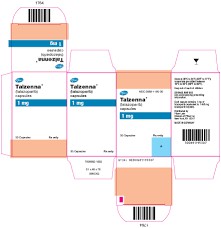
The unique mechanism of talazoparib lies in its dual effects: on the one hand, it inhibits the repair function of PARP enzyme, preventing tumor cells from effectively repairing DNA damage; on the other hand, it enhances cytotoxicity through the "PARP trap" and induces cancer cell death. Especially for prostate cancer patients carrying BRCA1/2 mutations, this mechanism can achieve a more targeted killing effect and greatly improve treatment efficiency. Data show that among this group of patients, the disease control rate and overall response rate have significantly improved, and some patients have even achieved long-term disease stability.
However, talazoparib may also cause certain side effects during use. Common ones include anemia, neutropenia, thrombocytopenia, fatigue and nausea, etc. Blood pictures and liver and kidney functions need to be monitored regularly under the guidance of a doctor. In addition, because talazoparib is an oral drug, its ease of administration also improves patients' treatment compliance, which is especially suitable for long-term management of cancer patients.
At present, talazoparib has been included in guidelines in Europe and the United States and recommended for use in prostate cancer patients with specific gene mutations, but it has not been widely used for prostate cancer indications in China.
Reference materials:https://www.talzenna.com/
[ 免责声明 ] 本页面内容来自公开渠道(如FDA官网、Drugs官网、原研药厂官网等),仅供持有医疗专业资质的人员用于医学药学研究参考,不构成任何治疗建议或药品推荐。所涉药品可能未在中国大陆获批上市,不适用于中国境内销售和使用。如需治疗,请咨询正规医疗机构。本站不提供药品销售或代购服务。


