
.jpeg)
Which generation of targeted drug is Crizotinib/Xalkori? Revealing its role in lung cancer treatment
Crizotinib is the first-generation ALK (anaplastic lymphoma kinase) inhibitor that was approved by the US FDA in 2011. It is the world's first targeted drug for the treatment of ALK-positive non-small cell lung cancer (NSCLC). It also marks the entry into a new era of precision treatment of lung cancer. In addition to ALK fusion mutations, crizotinib also has an inhibitory effect on ROS1 rearrangement-positive lung cancer and is widely used in advanced patients with these two specific molecular subtypes. Its mechanism of action is to inhibit the growth of tumors by inhibiting the activities of ALK, ROS1 and MET kinases, blocking the proliferation signals of tumor cells.
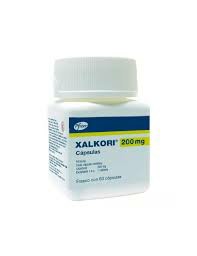
In the early stages of treatment, crizotinib showed significant efficacy inALK-positive patients, with a response rate of over 60% and a median progression-free survival of more than 10 months, which is far superior to traditional chemotherapy. However, as the treatment time is prolonged, most patients will develop acquired resistance within 1 to 2 years, which is mainly related to ALK secondary mutations (such as L1196M, G1269A) and activation of the ALK bypass signaling pathway. In addition, crizotinib has poor penetration into the central nervous system, limiting its long-term control in patients with brain metastases.
With the advent of second-generation (such as alectinib, brigatinib) and third-generation (such as lorlatinib)ALK inhibitors, crizotinib has gradually taken a back seat to the first-line or post-resistance regimens in the treatment sequence, but it is still an important option for initial treatment in some countries and regions. Especially in the absence of obvious brain metastasis, financial constraints, or inaccessibility of other targeted drugs, crizotinib still has practical significance.
It is worth emphasizing that the launch of crizotinib laid the foundation forALK targeted therapy and promoted the routine process of molecular classification of lung cancer worldwide. It not only changes the treatment prognosis of ALK-positive NSCLC, but also brings new hope for targeted therapy for ROS1-positive patients.
Reference materials:https://go.drugbank.com/drugs/DB08865
[ 免责声明 ] 本页面内容来自公开渠道(如FDA官网、Drugs官网、原研药厂官网等),仅供持有医疗专业资质的人员用于医学药学研究参考,不构成任何治疗建议或药品推荐。所涉药品可能未在中国大陆获批上市,不适用于中国境内销售和使用。如需治疗,请咨询正规医疗机构。本站不提供药品销售或代购服务。


