
.jpeg)
What is the dosage of dasatinib? How to adjust the dose according to the patient's condition?
Dasatinib (Dasatinib) is a targeted therapy drug commonly used to treat chronic myelogenous leukemia (CML) and acute lymphoblastic leukemia (ALL). It helps control the progression of these diseases by inhibiting the abnormal tyrosine kinase activity produced by the BCR-ABL fusion gene. The dosage of dasatinib will vary based on the patient's specific condition, age, weight and other medical conditions. Below are some guidelines and instructions for dosing dasatinib.
initial dose
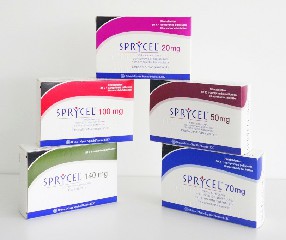
For adult patients with chronic myeloid leukemia (CML), the standard starting dose of dasatinib is usually 100 mg once daily. Doctors may consider this standard dose if the patient is in good health, has no serious liver or kidney problems, and has no other complications. However, for patients with acute lymphoblastic leukemia (ALL), the starting dose of dasatinib is usually higher, with the recommended dose for adult patients being 140 mg once daily. At the beginning of treatment, the dose is adjusted based on the patient's response to the drug.
Dosage adjustment
During treatment, patients may experience varying degrees of side effects. Doctors may adjust the dose of dasatinib based on the patient's tolerance, the drug's side effects, and blood test results. Common side effects include cytopenias, liver function abnormalities, pulmonary reactions, etc. These side effects may lead to dose reduction or treatment suspension.
If a patient experiences serious side effects, such as difficulty breathing, chest pain, severe fatigue, or persistent gastrointestinal discomfort, the doctor may choose to withhold the medication until symptoms resolve or return. Afterwards, the doctor will re-evaluate whether to resume medication and gradually resume the dose based on the patient's condition. For example, if a patient develops a low white blood cell count (neutropenia), the dose of dasatinib may need to be reduced to 60 mg daily or less until hematology returns to normal.
Patients with hepatic and renal insufficiency
For patients with hepatic or renal insufficiency, the dose of dasatinib needs to be adjusted based on the patient's specific condition. Caution must be exercised when using dasatinib in patients with liver disease, especially hepatic impairment. Typically, doctors will closely monitor liver function indicators and adjust drug doses if poor liver function occurs. In some cases, patients may need to temporarily stop treatment until liver function returns to normal.
For patients with renal insufficiency, although the metabolism of dasatinib is not mainly excreted through the kidneys, the patient's renal function still needs to be monitored and the dose adjusted according to the specific situation. In patients with mild or moderate renal impairment, dose adjustment is generally not required, but in patients with severe renal impairment, dose adjustment or monitoring may still be necessary.
Dose Adjustments for Special Populations
In addition to patients with hepatic and renal insufficiency, the elderly and pediatric patients also need special attention when using dasatinib. Elderly patients may have different responses to drug metabolism and excretion due to decline in physiological functions, and are more likely to have adverse reactions. Therefore, when older patients use dasatinib, doctors will adjust the dose based on their specific health conditions, liver and kidney function, and other diseases. The dosage for pediatric patients needs to be calculated specifically based on weight and age, and the suitability of dasatinib should be evaluated by a professional physician.
Dasatinib dose adjustment requires personalized treatment based on the individual patient's condition. The standard dose is 100 mg or 140 mg once daily for adult patients, but the dose may be adjusted during treatment based on the occurrence of side effects and patient tolerance. Patients with hepatic and renal insufficiency, the elderly and children need special attention when using it, and regular monitoring of liver and renal function. The dosage and efficacy of the drug should be flexibly adjusted according to the patient's actual condition to ensure optimal therapeutic effect and minimal risk of side effects. During the period of taking the medicine, patients should maintain close communication with their doctors and review relevant examinations regularly to ensure that the treatment process is safe and effective.
Reference materials:https://go.drugbank.com/drugs/DB01254
[ 免责声明 ] 本页面内容来自公开渠道(如FDA官网、Drugs官网、原研药厂官网等),仅供持有医疗专业资质的人员用于医学药学研究参考,不构成任何治疗建议或药品推荐。所涉药品可能未在中国大陆获批上市,不适用于中国境内销售和使用。如需治疗,请咨询正规医疗机构。本站不提供药品销售或代购服务。


