
.jpeg)
What are the targets of teritolumab? Which cells or pathological mechanisms does it primarily target?
Teclistamab is an innovative immunotherapy drug that belongs to the class of bispecific antibody drugs. Its mechanism of action is to enhance the body's immune system's ability to recognize and eliminate tumor cells through dual targeting. The main targets of teritusumab include B cell immunoglobulin-like receptor (BCMA) and CD3.
Through its bispecific effect, Teritusumab can not only accurately identify and eliminate BCMA-positive tumor cells, but also enhance immune responses by activating T cells. This mechanism gives teritusumab a clear advantage in treating diseases such as multiple myeloma. Compared with traditional single-target therapy, the dual-target design can provide stronger therapeutic efficacy and reduce the possibility of tumor cell escape.
Currently, teritusumab is mainly used to treat multiple myeloma, especially in patients with relapsed or refractory multiple myeloma that is refractory to traditional treatments. By targeting BCMA and CD3, teritusumab can significantly improve patients' treatment response rate and survival, and has shown good efficacy and safety in clinical trials. As more studies are conducted, terituximab may be expanded to other types of tumor treatment in the future to further verify its potential in tumor immunotherapy.
Reference: https://www.tecvayli.com/
BCMA is a protein mainly expressed on plasma cells and certain B cell subsets. It plays an important role in the occurrence and progression of hematological tumors such as multiple myeloma. BCMA is highly expressed on the surface of tumor cells in patients with multiple myeloma, making it a key target for teritusumab. Teritusumab binds to BCMA, allowing the immune system to recognize and attack these tumor cells, thereby effectively inhibiting tumor growth.
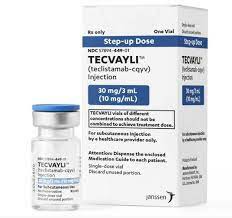
Through its bispecific effect, Teritusumab can not only accurately identify and eliminate BCMA-positive tumor cells, but also enhance immune responses by activating T cells. This mechanism gives teritusumab a clear advantage in treating diseases such as multiple myeloma. Compared with traditional single-target therapy, the dual-target design can provide stronger therapeutic efficacy and reduce the possibility of tumor cell escape.
Currently, teritusumab is mainly used to treat multiple myeloma, especially in patients with relapsed or refractory multiple myeloma that is refractory to traditional treatments. By targeting BCMA and CD3, teritusumab can significantly improve patients' treatment response rate and survival, and has shown good efficacy and safety in clinical trials. As more studies are conducted, terituximab may be expanded to other types of tumor treatment in the future to further verify its potential in tumor immunotherapy.
Reference: https://www.tecvayli.com/
[ 免责声明 ] 本页面内容来自公开渠道(如FDA官网、Drugs官网、原研药厂官网等),仅供持有医疗专业资质的人员用于医学药学研究参考,不构成任何治疗建议或药品推荐。所涉药品可能未在中国大陆获批上市,不适用于中国境内销售和使用。如需治疗,请咨询正规医疗机构。本站不提供药品销售或代购服务。


