
.jpeg)
What diseases can be treated with selumetinib? Indications and recommended use range
Selumetinib (Selumetinib) is an oral MEK inhibitor that mainly inhibits MEK1 and MEK2 activity, interfering with the Ras/Raf/MEK/ERK signaling pathway, thereby inhibiting the growth and proliferation of cancer cells. The drug is widely used to treat a variety of cancers caused by RAS mutations, especially malignant tumors related to NRAS mutations. Its main indications and recommended range of use include the following situations:
1. Neurofibromatosis type 1 (NF1): Selumetinib is approved for the treatment of neurofibromatosis type 1 (NF1), specifically in children and adults with significant symptoms. NF1 is a genetic disorder caused by mutations in the NF1 gene, which often leads to the formation of neurofibromas. These tumors are usually benign but can cause pain, functional impairment, and cosmetic problems. By inhibiting the MEK pathway, selumetinib can effectively slow down the growth of tumors and improve patients' symptoms. Especially in patients with significant symptoms, the therapeutic effect is more obvious.
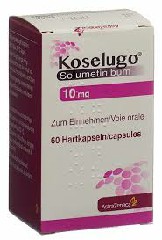
2. Non-small cell lung cancer (NSCLC): Selumetinib has also been studied to treat non-small cell lung cancer, especially those carrying RAS mutations. RASmutations are relatively common in lung cancer patients and are closely related to poor prognosis. By inhibiting the MEK pathway, selumetinib can effectively control tumor growth, providing a new treatment option especially when other treatments such as chemotherapy or targeted therapy are ineffective.
3. Potential treatment of other tumors: Although selumetinib is currently mainly approved for neurofibroma, it is also used in clinical trials to treat a variety of other tumors, such as colorectal cancer, melanoma, and pancreatic cancer. These tumors usually have mutations in the RAS or RAF pathways. Selumetinib inhibits tumor proliferation by targeting this signaling pathway.
In general, the indications for selumetinib are mainly concentrated inRAS tumors and related diseases caused by mutations, especially in NF1 patients, the efficacy is more prominent. In addition, its application in other tumors is still in the clinical research stage and may be expanded to the treatment of more cancers in the future.
Reference materials:https://www.koselugo.com
[ 免责声明 ] 本页面内容来自公开渠道(如FDA官网、Drugs官网、原研药厂官网等),仅供持有医疗专业资质的人员用于医学药学研究参考,不构成任何治疗建议或药品推荐。所涉药品可能未在中国大陆获批上市,不适用于中国境内销售和使用。如需治疗,请咨询正规医疗机构。本站不提供药品销售或代购服务。


