
.jpeg)
What are the risks of using tucatinib? Possible problems with long-term use
Tucatinib is a targeted drug used to treat HER2-positive breast cancer, often in combination with other drugs, such as trastuzumab and capecitabine. Although tucatinib has a significant therapeutic effect on patients with HER2 positive breast cancer, its use is also associated with certain risks, especially in the case of long-term use.
Long-term use of tucatinib may increase a patient's risk of heart problems, especially when used with other antiHER2 drugs (such as trastuzumab). AntiHER2therapeutics sometimes cause impairment of heart function, such as the risk of left ventricular dysfunction or heart failure. Although tucatinib itself has fewer cardiac side effects, when used in combination with drugs such as trastuzumab, patients still need to regularly monitor heart function, especially during long-term treatment. Doctors often perform a heart ultrasound during treatment to make sure there are no underlying heart problems.
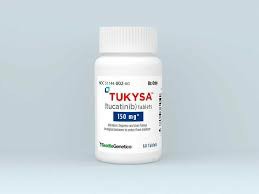
Long-term use of tucatinib may cause gastrointestinal problems, such as diarrhea, nausea, vomiting, and loss of appetite. Diarrhea is one of the most common side effects of tucatinib, especially early in treatment. While this side effect is manageable in most cases, long-term use may result in a decrease in the patient's quality of life and will require symptom-based management and treatment. If diarrhea is severe, it can lead to problems such as dehydration, electrolyte imbalance, and weight loss. Therefore, patients need to monitor these symptoms closely and communicate with their doctor promptly.
Long-term use of tucatinib may also affect liver function. Tucatinib is metabolized in the liver, so long-term use may increase the risk of hepatotoxicity. Studies have shown that tucatinib may cause liver function abnormalities, particularly in some patients, increased liver enzymes (such as ALT and AST). Therefore, during treatment with tucatinib, patients need regular liver function monitoring to detect liver problems in time. If liver function abnormalities are severe, medication doses may need to be adjusted or treatment suspended.
Tucatinib may affect the normal function of the immune system, although this side effect is rare. Long-term use may result in a weakened immune system response to the antigen, making patients more susceptible to infection. Although the immunosuppressive effect of tucatinib is not as obvious as that of some chemotherapy drugs, changes in immune function may still affect the health of patients, especially those who already have weak immunity. During the treatment process, the doctor will pay attention to whether the patient has signs of infection and adjust the treatment plan in a timely manner to reduce the risk of infection.
Reference materials:https://www.tukysa.com/
[ 免责声明 ] 本页面内容来自公开渠道(如FDA官网、Drugs官网、原研药厂官网等),仅供持有医疗专业资质的人员用于医学药学研究参考,不构成任何治疗建议或药品推荐。所涉药品可能未在中国大陆获批上市,不适用于中国境内销售和使用。如需治疗,请咨询正规医疗机构。本站不提供药品销售或代购服务。


