
.jpeg)
What diseases does Valganciclovir treat? Analysis of indications and efficacy
Valganciclovir is a nucleoside analog antiviral drug that mainly inhibits cytomegalovirus (CMV) DNA polymerase and interferes with the synthesis and replication of viral DNA, thereby effectively controlling the spread of the virus. It is the prodrug of ganciclovir, which is converted into the active ingredient ganciclovir by liver and intestinal esterases in the body. It has high oral bioavailability and is therefore more suitable for long-term oral treatment and preventive use.
One of the primary indications for valganciclovir is the treatment of CMV retinitis in patients with acquired immunodeficiency syndrome (AIDS). CMV retinitis is a serious complication that can lead to rapid vision loss and is common in people with HIV infection. By reducing viral load, Vancevir helps relieve retinal inflammation and slow down disease progression, thereby prolonging the maintenance of visual function in patients. Usually, induction dose treatment is used for 21 days in the initial stage, and then the maintenance treatment stage is entered to prevent recurrence.
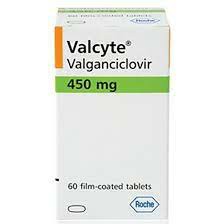
Another important indication is for the prevention of cytomegalovirus infection in organ transplant recipients, especially high-risk patients after kidney, heart, or kidney-pancreas transplantation. After transplantation, patients need to receive immunosuppressive treatment, which can easily cause activation of the CMV virus, leading to viral pneumonia, gastroenteritis, hepatitis and even acute organ rejection. In this case, valganciclovir, as the core drug of the preventive antiviral regimen, is widely used in the first 100 to 200 days after surgery, which greatly reduces the incidence of CMV-related diseases and the risk of transplanted organ dysfunction.
For the pediatric population, valganciclovir has also shown good safety and efficacy, especially in pediatric organ transplant patients between 1 month and 16 years old. It is also effective in preventing CMV infection. Drug doses will be individually adjusted based on body weight and renal function to ensure that antiviral effects are achieved while avoiding drug-related toxicity.
It is worth noting that valganciclovir is not a cure forCMV infection, but is used to control viral activity and reduce clinical attacks. Although its antiviral effect is strong, it may also cause myelosuppressive side effects such as neutropenia, anemia, and thrombocytopenia. Therefore, blood routine and renal function need to be monitored regularly during use, especially when combined with other immunosuppressants or myelosuppressive drugs. You should be more cautious. In addition, long-term medication may induce viral resistance, and it is necessary to evaluate whether there are UL97 or UL54 gene mutations, which may affect subsequent treatment strategies.
In general, Vancevir is currently clinically usedOne of the gold standards for CMV treatment and prevention, it has shown strong and reliable clinical value both in retinal protection in HIV-infected patients and in virus prevention and control in transplant recipients. Patients should use it regularly under the guidance of a doctor, adjust the dosage reasonably, and closely monitor treatment response to achieve the best therapeutic effect.
Reference materials:https://go.drugbank.com/drugs/DB01610
[ 免责声明 ] 本页面内容来自公开渠道(如FDA官网、Drugs官网、原研药厂官网等),仅供持有医疗专业资质的人员用于医学药学研究参考,不构成任何治疗建议或药品推荐。所涉药品可能未在中国大陆获批上市,不适用于中国境内销售和使用。如需治疗,请咨询正规医疗机构。本站不提供药品销售或代购服务。


