
.jpeg)
In T2D, switching to tilsiparatide/tilpotide shows greater benefit than escalating dulaglutide
Patients with type 2 diabetes and inadequately controlled obesity experienced greater reductions in HbA1c and weight loss after switching to tirzepatide treatment rather than increasing their current dose of dulaglutide. These findings are from the SURPAS-SWITCH Phase 4 trial (NCT05564039).
Tisiparatide is a once-weekly glucose-dependent insulinotropic peptide and glucagon-like peptide-1 receptor agonist approved by the U.S. Food and Drug Administration (FDA) for the treatment of adults with type 2 diabetes or obesity. The therapy has previously demonstrated clinically meaningful reductions in hemoglobin A1c (HbA1c) and body weight in the SURPASS Phase 3 clinical trial. The new findings come from the SURPAS-SWITCH Phase 4 randomized clinical trial (RCT), which was conducted at 38 sites in five countries.
The study enrolled 282 adults with HbA1c 7.0% or higher to 9.5% or lower, stable weight, and a body mass index of 25kg/m2 or higher who received a stable dose of dulaglutide (0.75 or 1.5mg) for at least 6 months and 0 to 3 oral antidiabetic drugs for at least 3 months.
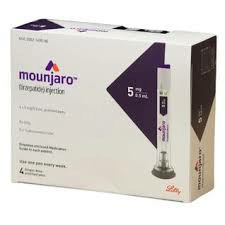
Participants were randomly divided into two groups: one group switched to tilsiparatide15 mg or the maximum tolerated dose (MTD; n=139), and the other group upgraded dulaglutide to 4.5 mg or MTD (n=143). The primary endpoint of the study is change from baseline in HbA1c at week 40. The key secondary endpoint is change in weight from baseline at 40.1 weeks
The researchers found that at week the change in HbA1c from baseline with tilsiparatide was -1.44% (standard error [SE], 0.07 ), the change in dulaglutide was -0.67% (SE, 0.08) (estimated treatment difference, -0.77% [95% CI, -0.98% to -0.56%]; P < 0.001). At week 40, body weight change from baseline was -10.5 kg (SE, 0.5) in the tilsiparatide group and -3.6 kg (SE, 0.5) in the dulaglutide group (estimated treatment difference, -6.9 kg [95% CI, -8.3 to -5.5 kg]; P < 0.001). The incidence of serious adverse events (AEs) was similar in the tilsiparatide group (n=10; 7.2%) and the dulaglutide group (n=10; 7.0%). The most common treatment-emergent adverse events were nausea and diarrhea.
In summary, tilsiparatide, as a novel drug, shows promise in controlling type 2 diabetes and obesity, especially in patients who have not responded well to existing treatments. However, doctors need to consider the patient's specific situation, the effects of the drug, and potential side effects during the treatment process in order to formulate the best treatment plan. In future research, further exploring the effects and patient experience of different treatment options will be an important step in improving the success rate of treatment.
Reference materials:https://www.hcplive.com/view/switching-tirzepatide-greater-benefit-escalating-dulaglutide-t2d-obesity
[ 免责声明 ] 本页面内容来自公开渠道(如FDA官网、Drugs官网、原研药厂官网等),仅供持有医疗专业资质的人员用于医学药学研究参考,不构成任何治疗建议或药品推荐。所涉药品可能未在中国大陆获批上市,不适用于中国境内销售和使用。如需治疗,请咨询正规医疗机构。本站不提供药品销售或代购服务。


