
.jpeg)
Full analysis of the instructions for Apremilast/Apremilast tablets and a comprehensive medication guide!
Apremilast is an orally administered small molecule targeted drug with the trade name Otezla. It was developed by the biotechnology company Amgen and is widely used to treat specific types of chronic inflammatory diseases. Its main pharmacological mechanism is the inhibition of phosphodiesterase 4 (PDE4). By inhibiting this enzyme, it blocks the degradation of cyclic adenosine monophosphate (cAMP) in the inflammatory signaling pathway and indirectly regulates the release of a series of pro-inflammatory cytokines (such as TNF-α, IL-17, IL-23), thereby reducing the inflammatory response. This unique mechanism of action makes apremilast play an important role in the treatment of plaque psoriasis and psoriatic arthritis, especially for patients who are not suitable for use of traditional immunosuppressants or biological agents.
According to the latest instructions, the indications for apremilast mainly include two groups of people: one is adult patients with active psoriatic arthritis (PsA), especially those who have poor response or intolerance to traditional DMARDs (such as methotrexate); the other is patients with moderate to severe plaque psoriasis who are eligible for systemic treatment or phototherapy, and are especially suitable for individuals who are unable or unwilling to receive injection treatment. Apremilast is administered in the form of oral tablets, which is easy to use, has high patient acceptance, and can also help improve long-term treatment compliance.
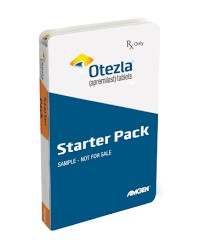
In terms of usage and dosage, the recommended standard maintenance dose of apremilast is30 mg twice a day. In order to avoid common gastrointestinal discomforts during initial treatment, such as nausea, diarrhea or loss of appetite, patients are recommended to take daily doses. The increase method starts slowly: take 10 mg in the morning on the first day, 10 mg in the morning and evening on the second day, 10 mg in the morning and 20 mg in the evening on the third day, 20 mg in the morning and evening on the fourth day, 20 mg in the morning and 30 mg in the evening on the fifth day, and maintain the standard dose of 30 mg in the morning and evening from the 6th day. This type of initial regimen can significantly reduce the incidence of adverse reactions and improve patients' tolerance and confidence in taking medication.
For special groups, the dosage needs to be adjusted individually. For patients with severe liver damage, the metabolic capacity of apremilast may be reduced, so it is recommended that the dose be adjusted to 30 mg once daily instead of the conventional twice daily to reduce drug accumulation in the body and prevent the risk of toxicity. In addition, although apremilast dose adjustment is not required for mild to moderate renal impairment, it should be reduced to 30 mg once daily in patients with severe renal impairment (creatinine clearance <30 ml/min).
In terms of safety, apremilast performed well overall. The most common side effects include diarrhea, nausea, headache, weight loss and upper respiratory tract infection. They mostly occur in the early stages of treatment, are mostly mild to moderate, and gradually reduce as the medication time is extended. What needs special attention is that some patients may experience psychological symptoms such as low mood or depression. Especially those with a history of depression should be monitored more closely during use. In addition, although weight loss is a common side effect, when the weight loss exceeds 10% of body weight, you should consider suspending or changing the treatment plan.
In terms of drug interactions, apremilast is mainly metabolized by the liverCYP3A4 enzyme system. Therefore, when combined with strong CYP3A4 inducers (such as rifampicin, carbamazepine, phenobarbital, etc.), it may reduce the drug plasma concentration, thereby weakening the efficacy, and should be avoided. For the elderly, although routine dose adjustment is not required, use under close monitoring is still recommended, especially in the presence of multiple concomitant medications.
Reference materials:https://go.drugbank.com/drugs/DB05676
[ 免责声明 ] 本页面内容来自公开渠道(如FDA官网、Drugs官网、原研药厂官网等),仅供持有医疗专业资质的人员用于医学药学研究参考,不构成任何治疗建议或药品推荐。所涉药品可能未在中国大陆获批上市,不适用于中国境内销售和使用。如需治疗,请咨询正规医疗机构。本站不提供药品销售或代购服务。


