
.jpeg)
How effective is baricitinib tablets in treating alopecia areata? How does it work?
Baricitinib is an oral Janus kinase inhibitor initially used to treat rheumatoid arthritis. In recent years, baricitinib has also been studied to treat alopecia areata, a hair loss disease caused by abnormalities in the immune system. Baricitinib modulates the immune response by inhibiting specific Janus kinase (JAK) signaling pathways, thereby helping to slow or reverse hair loss related to immune system abnormalities.
Alopecia areata is an autoimmune disease that usually presents with localized or widespread hair loss. In this condition, the immune system mistakenly attacks the hair follicles, causing hair loss. Studies have shown that the Janus kinase (JAK) pathway plays an important role in the immune response to alopecia areata. As a JAK inhibitor, baricitinib can inhibit this signaling pathway and reduce the abnormal activity of immune cells, thereby slowing or reversing the damage to hair follicles and promoting hair regeneration.
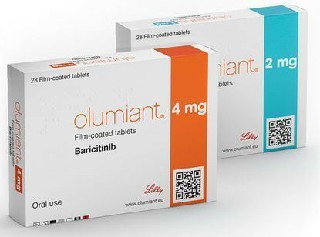
The effectiveness of baricitinib in treating alopecia areata has been verified in several clinical studies. According to a clinical trial, baricitinib significantly improved patients' hair loss within months of use. Some patients' hair grows back after treatment and the areas of hair loss are significantly reduced. While responses vary from patient to patient, baricitinib has been shown to be effective in controlling and relieving symptoms of alopecia areata, particularly in those who have failed to respond to traditional treatments.
Baricitinib interferes with signaling in the immune response by inhibiting the activities of JAK1 and JAK2. Overactivation of the immune system is one of the main causes of alopecia areata. By inhibiting the JAK pathway, baricitinib can reduce the attack of immune cells on hair follicles, thereby alleviating hair loss symptoms and promoting hair regeneration. During the treatment process, the oral form of baricitinib makes treatment more convenient for patients, and the efficacy of the drug gradually appears in multiple stages.
Although baricitinib has shown significant efficacy in treating alopecia areata, it may also come with some side effects. Common side effects include increased risk of infection, gastrointestinal discomfort, headache, and dyslipidemia. When using baricitinib to treat alopecia areata, doctors need to closely monitor the patient's health, assess the severity of side effects, and adjust the dose based on the patient's specific condition. Overall, baricitinib is an effective treatment option, but patients need to use it under the guidance of a doctor and regularly check their body's response.
Reference materials:https://www.mims.com/hongkong/drug/info/baricitinib?mtype=generic
[ 免责声明 ] 本页面内容来自公开渠道(如FDA官网、Drugs官网、原研药厂官网等),仅供持有医疗专业资质的人员用于医学药学研究参考,不构成任何治疗建议或药品推荐。所涉药品可能未在中国大陆获批上市,不适用于中国境内销售和使用。如需治疗,请咨询正规医疗机构。本站不提供药品销售或代购服务。


